
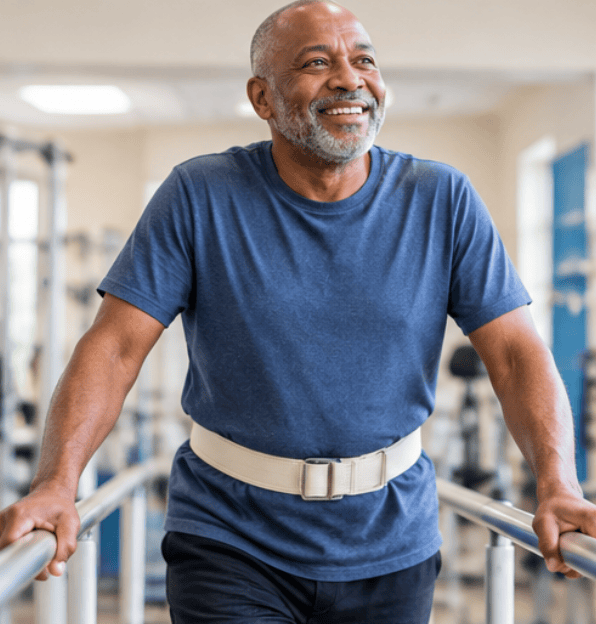


When you hear the word rehabilitation, what comes to mind?
Exercises?
Recovery after an injury?
Learning to walk again?
While those things can absolutely be part of rehabilitation, rehabilitation is so much bigger.
National Rehabilitation Awareness Week, September 14-20, 2026, is an opportunity to recognize the professionals who help people rebuild skills, develop new strategies, adapt to changes, and participate more fully in everyday life.
At iRehab Services, that’s what rehabilitation means to us.
What Does Rehabilitation Actually Look Like?
Sometimes progress looks like a major milestone.
Other times, it’s something much smaller:
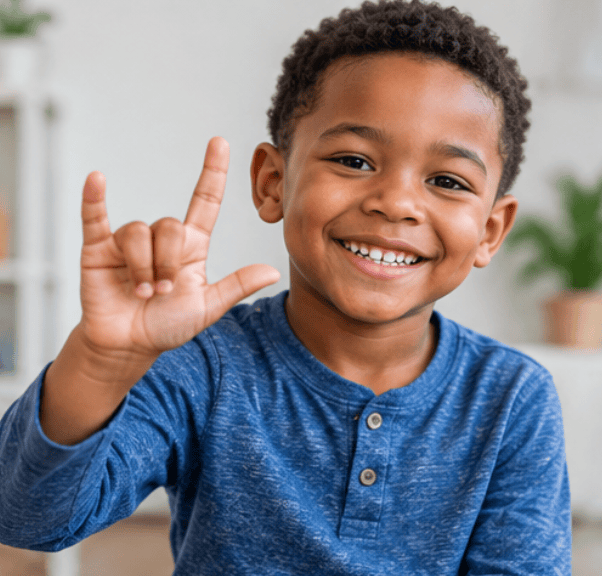
- A child independently communicating a need.
- A teenager remembering what they need for school.
- An adult with a brain injury successfully managing a morning routine.
- A person with Parkinson’s being heard more clearly during dinner.
- An older adult safely managing medications.
- A caregiver finally feeling confident enough to leave the house for an hour.
These moments may not look dramatic from the outside. But they can completely change someone’s life.
Our Disciplines Work Together
Rehabilitation is rarely one-size-fits-all.
At iRehab Services, our team includes professionals across speech-language pathology, occupational therapy, and social work.
Speech-Language Pathology
Our SLPs work on communication, speech, language, cognition, voice, swallowing, feeding, and more.
Occupational Therapy
Our OTs focus on helping people participate in everyday activities, including self-care, work, school, home management, cognition, sensory processing, and community activities.
Social Work
Our social workers support emotional well-being, caregivers, resources, adjustment, problem-solving, and the practical challenges that can accompany major life changes.
Together, these perspectives help us look at the whole person, not just a diagnosis.
Functional Goals Make Rehabilitation Meaningful
We don’t want skills to exist only inside a therapy session.
If someone is working on memory, we want that to help them remember an appointment.
If someone is working on communication, we want that to help them participate in a conversation.
If someone is working on fine motor skills, we want that to help them get dressed, write, cook, or play.
If someone is working on executive functioning, we want those skills to translate to school, work, and home.
The goal is carryover.
Rehabilitation Can Happen in Real Life
That’s one reason iRehab offers flexible service settings:
- In-home
- Sterling Heights clinic
- Community settings
- Telehealth
Meeting people in real-life environments allows therapy to be connected to the activities and routines that actually matter.
This National Rehabilitation Awareness Week, we’re celebrating our incredible clinicians, our patients, and every milestone along the way.
📞 248.252.6064
📧 marcia@irehabservices.com
Rehabilitation isn’t just about getting back to where you were.
Sometimes it’s about discovering what you’re capable of next.







leave a comment!
Comments