
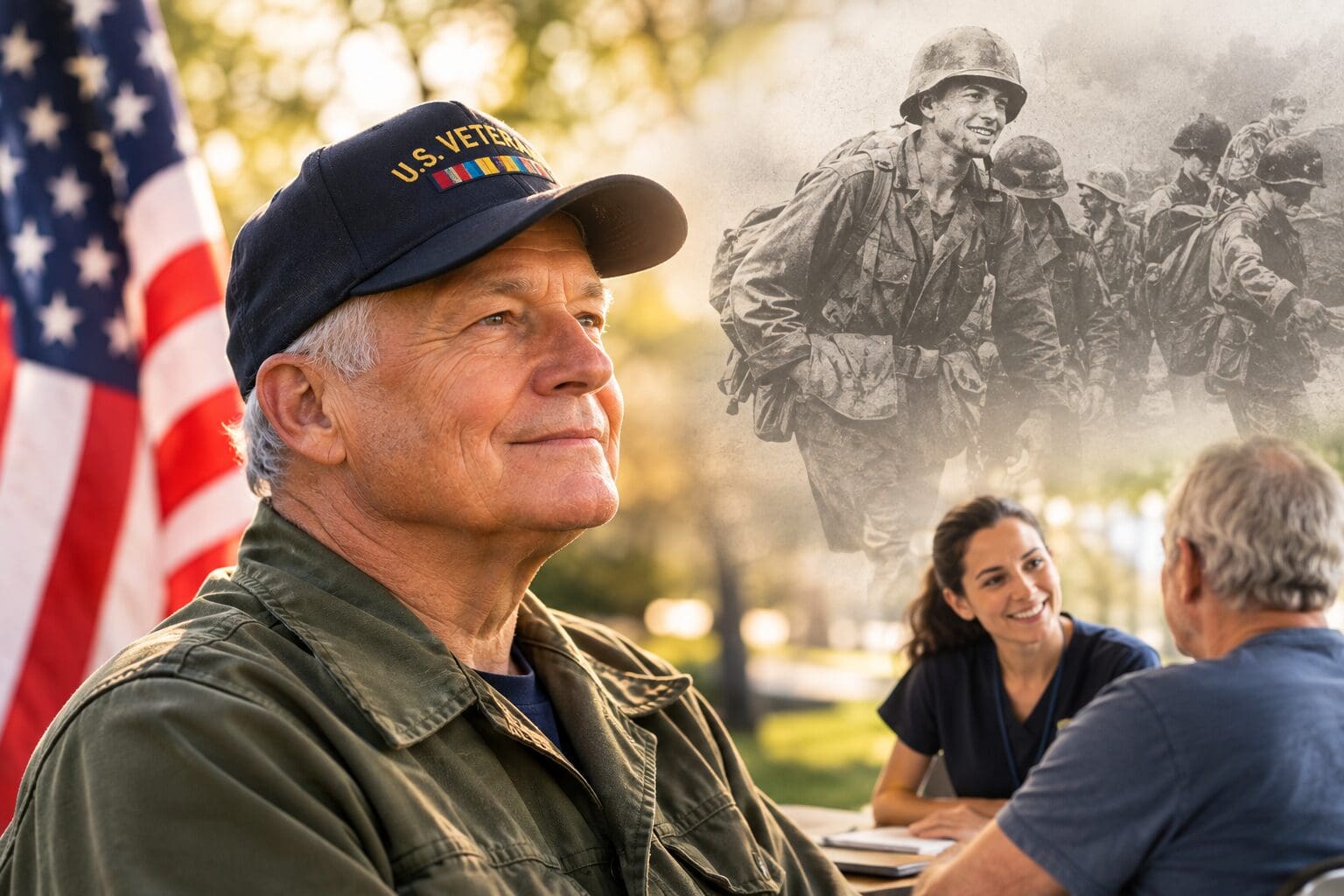


When we think about Veterans Day, we often think about service, sacrifice, and the people who have protected our country.
But there is another part of that story that is less often told: the experiences of veterans helped shape the rehabilitation professions we know today—including speech-language pathology.
Speech-language pathology existed before World War II. In fact, the organization that would eventually become the American Speech-Language-Hearing Association (ASHA) was established in 1925. But the injuries and medical needs seen during and after World War II created an enormous need for new approaches to rehabilitation—and communication was a major part of that need.
When Surviving Wasn’t the End of Recovery
Advances in battlefield medicine meant that more service members survived serious injuries.
But surviving an injury was only the beginning.
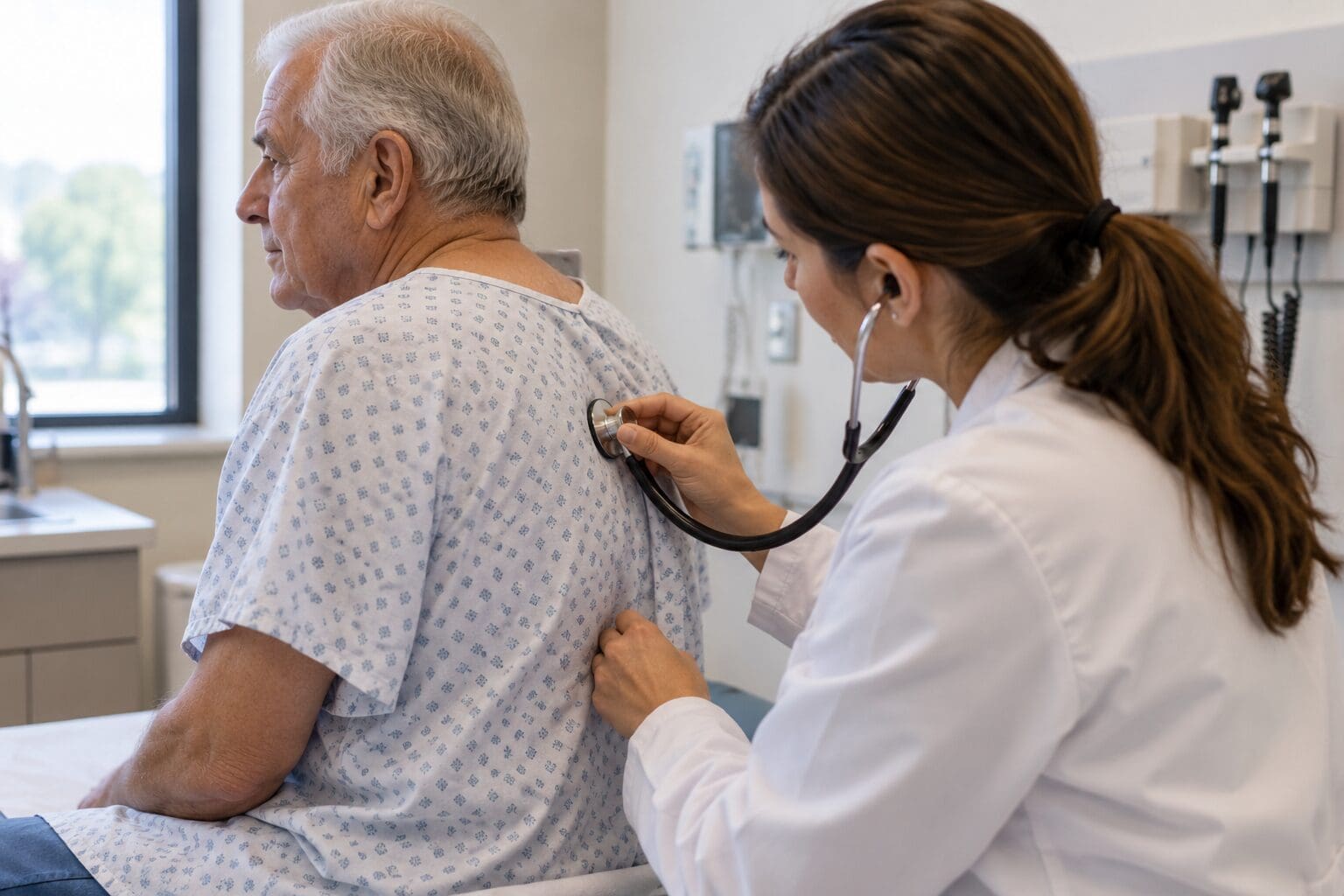
Some veterans returned home with brain injuries, strokes, neurological injuries, and other conditions that affected their ability to communicate. They might have difficulty finding words, understanding language, producing speech clearly, reading, writing, or coordinating the movements needed for speech.
For some, the injury changed something as fundamental as their ability to communicate with the people they loved.
And clinicians had to figure out how to help.
During World War II, medical literature was already documenting speech disorders among injured service members. A 1945 article by Army Medical Corps Captain William G. Peacher described speech disorders treated at Brooke General Hospital in Texas, and subsequent publications examined conditions including dysarthria and other communication disorders.
This wasn’t simply about helping someone “speak better.”
It was about helping people communicate, participate, reconnect, and return to life.
Veterans and the Development of Aphasia Rehabilitation
One of the most significant areas of growth was the rehabilitation of aphasia—a language disorder that can occur after brain injury or stroke and can affect speaking, understanding, reading, and writing.
The Department of Veterans Affairs became an important contributor to the development of aphasia assessment and treatment. VA medical centers provided opportunities for clinicians and researchers to develop and study new rehabilitation approaches with veterans experiencing communication impairments.
That work didn’t stay within the VA.
It contributed to a growing body of knowledge that influenced the field of speech-language pathology more broadly.
In other words, some of the approaches used today to help people rebuild communication after neurological injury have roots in clinicians working with veterans decades ago.
ASHA’s own historical timeline identifies the 1940s as an important period in the profession, noting that soldiers returning from World War II with aphasia and brain injuries contributed to advancements in aphasia therapy and cognitive-communication rehabilitation.
And Speech Therapy Became About Much More Than Speech
This history is especially meaningful because it reflects something we still see every day in speech-language therapy.
Speech-language pathology isn’t just about pronunciation.
It isn’t just about “talking.”
An SLP may work with someone on:
- Finding the right word
- Understanding and expressing language
- Memory and attention
- Problem solving and executive functioning
- Reading and writing
- Cognitive-communication skills
- Speech clarity
- Voice
- Swallowing
- Communication after stroke or brain injury
- Strategies for communicating more independently
For someone recovering from a neurological injury, these skills can affect nearly every part of daily life.
Can I tell my doctor what happened?
Can I remember the instructions I was given?
Can I find the word I need?
Can I follow a conversation with my family?
Can I return to work?
Can I advocate for myself?
These are not small things.
They are the things that allow someone to participate in their own life.
A Legacy That Continues
Today, speech-language pathologists continue working with veterans and service members with communication and cognitive difficulties related to traumatic brain injury, stroke, neurological disease, hearing loss, and other conditions.
And the field continues to evolve.
The VA’s contributions to aphasia rehabilitation have continued well beyond World War II, with speech-language pathologists, researchers, physicians, and other rehabilitation professionals working together to improve assessment and treatment.
That collaborative approach feels very familiar to us.
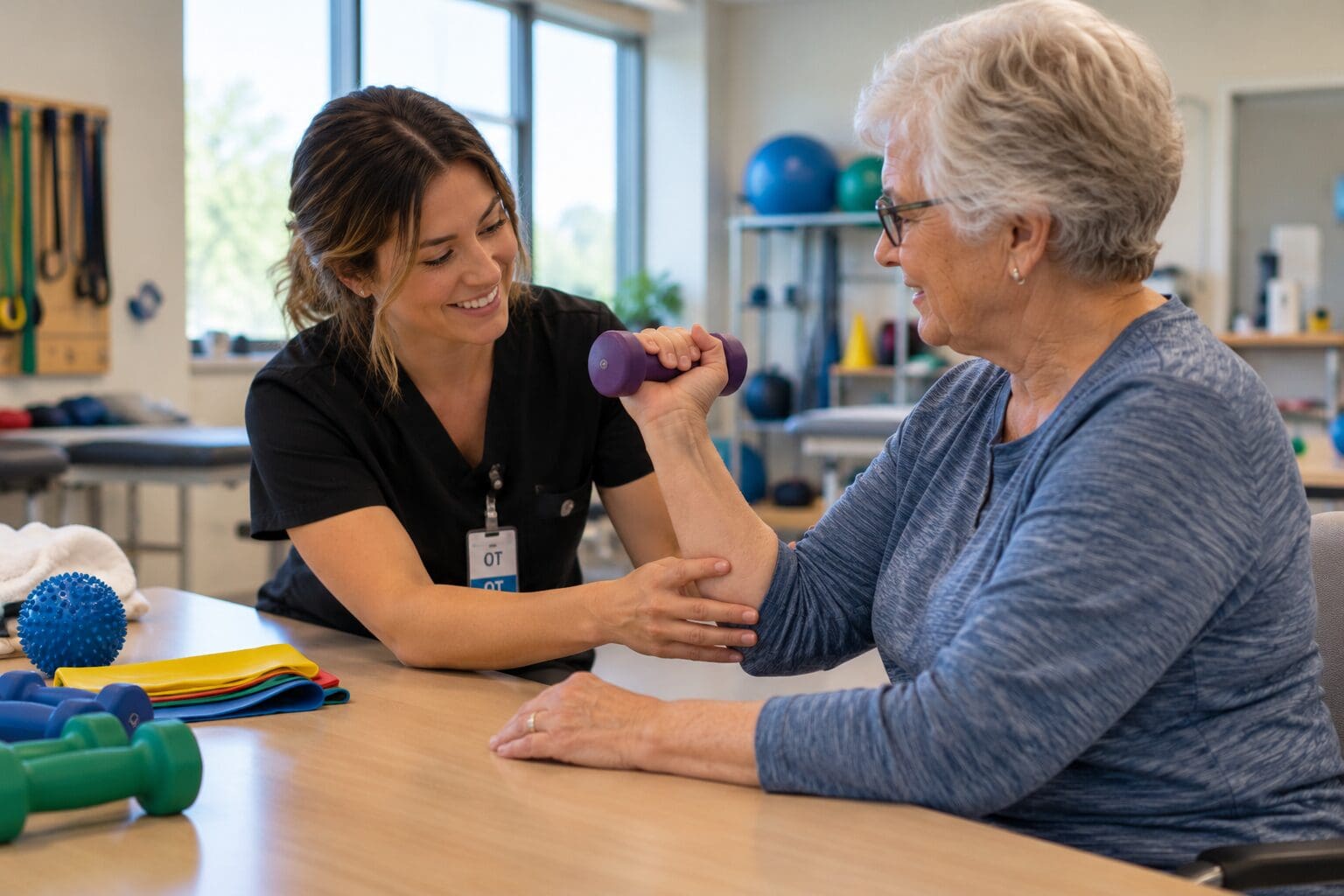
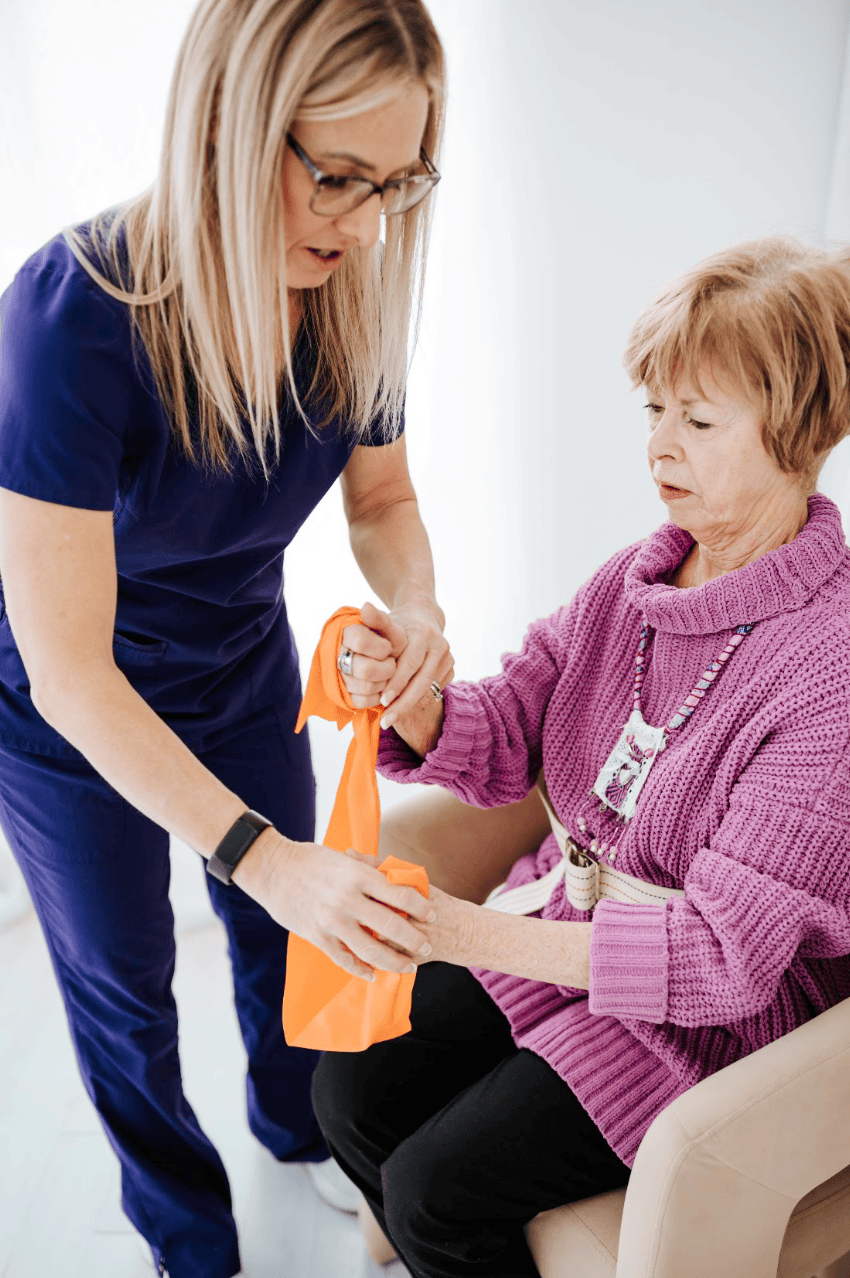
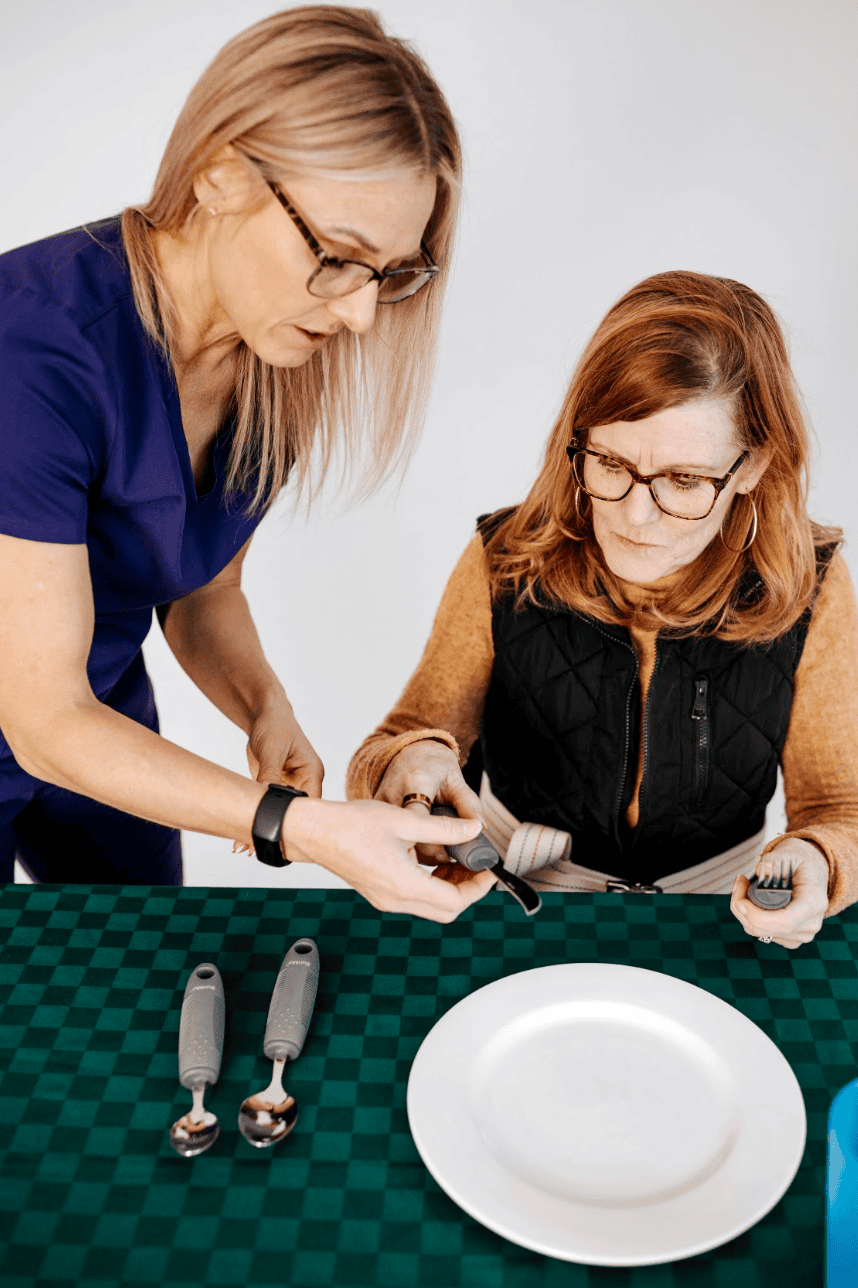
At iRehab Services, we believe rehabilitation is about more than one diagnosis or one isolated skill. Speech therapy, occupational therapy, and social work can work together to help a person regain skills, navigate challenges, increase independence, and get back to the parts of life that matter most.
This Veterans Day, We Remember
Veterans Day gives us an opportunity to recognize the people who served—and to remember that their stories have shaped much more than military history.
Their injuries challenged medical and rehabilitation professionals to ask new questions.
How can we help someone communicate after a brain injury?
How can we help someone regain independence?
How can we help a person reconnect with their family, their work, and their community?
Those questions helped move rehabilitation forward.
And nearly 80 years later, the work continues.
This Veterans Day, we are grateful for the veterans who served, for the clinicians who cared for them, and for the generations of rehabilitation professionals who have continued building on that work.
To all who have served: thank you.
Your service has left a lasting impact—not only on our country, but on the fields dedicated to helping people heal, communicate, and get back to living their lives.
Rehabilitation at iRehab Services
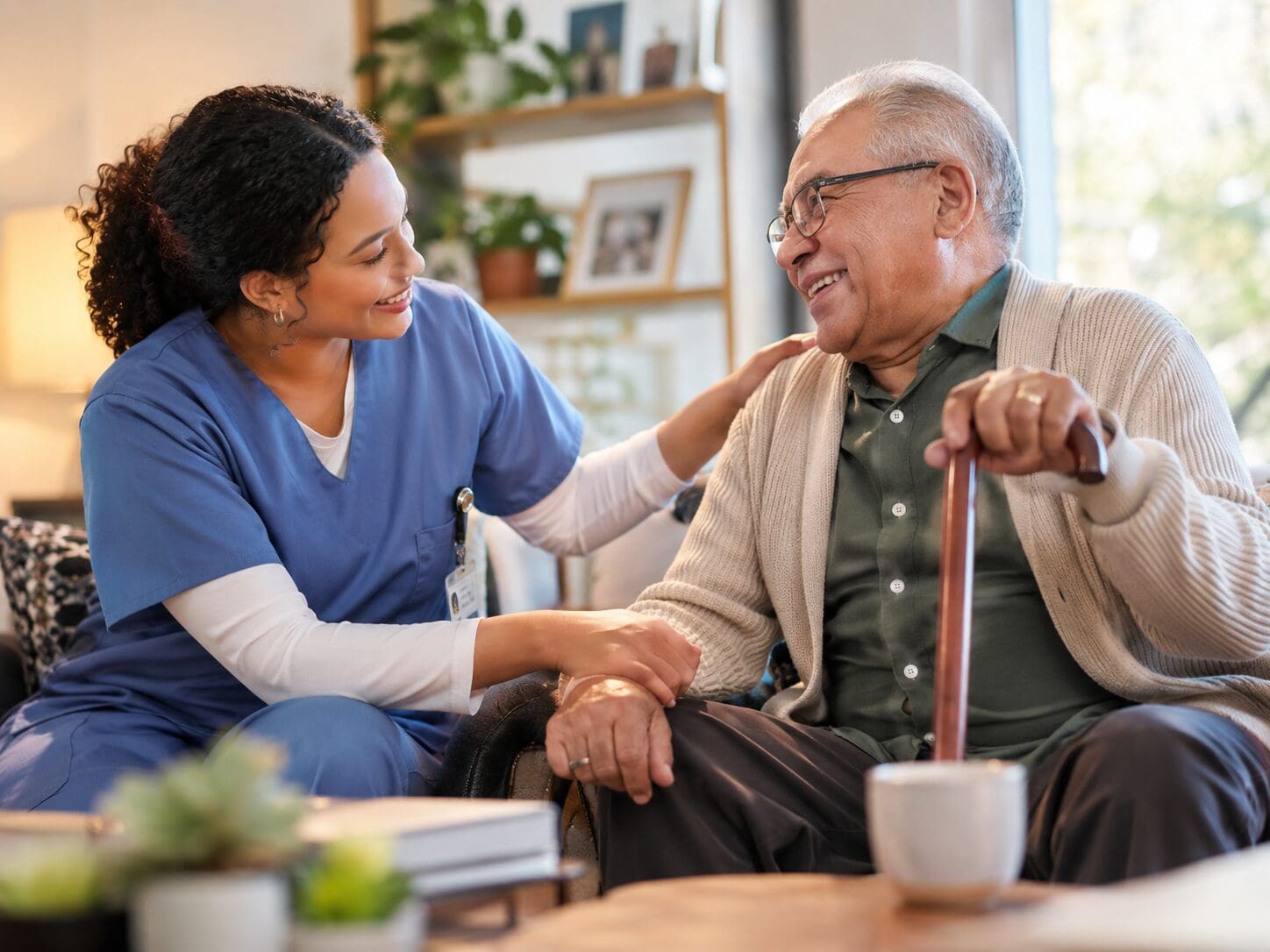
At iRehab Services, our team provides speech therapy, occupational therapy, and social work services for children and adults, with services available in the home, clinic, community, and through telehealth.
If you or someone you love is navigating communication, cognitive, or functional changes after an injury or neurological event, we’re here to help.
iRehab Services
📞 248.252.6064
📧 marcia@irehabservices.com


leave a comment!
Comments