
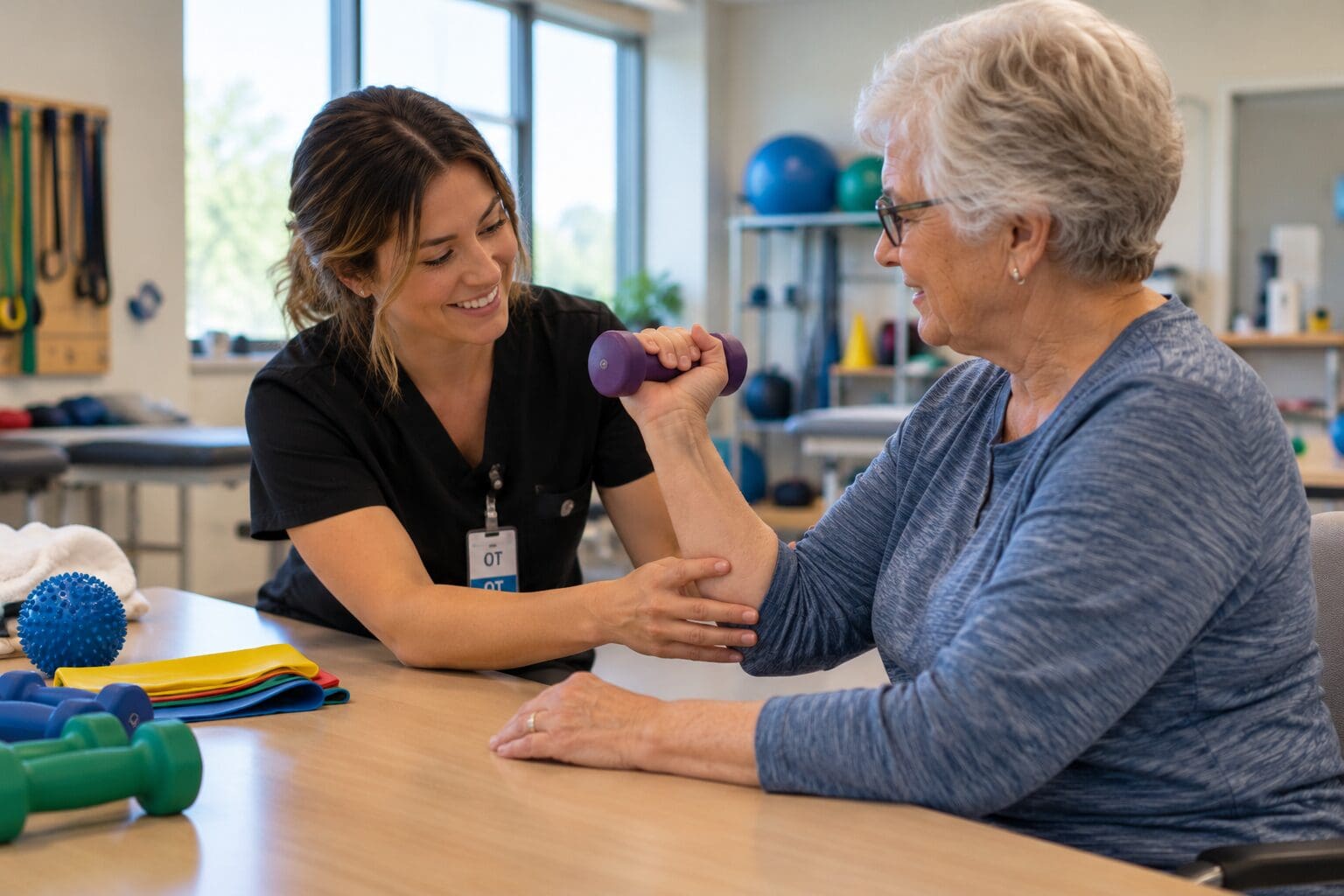



We don’t usually think twice about the everyday things we do.
Getting out of the shower. Carrying laundry downstairs. Reaching into a cabinet. Helping a child climb onto the playground. Walking through a cluttered hallway at night.
But sometimes, it’s these ordinary moments that carry the greatest risks.
On November 18, National Injury Prevention Day encourages communities to recognize that many injuries can be prevented—and that creating safer environments is something we can all contribute to.
At iRehab Services, we want to highlight an important part of that conversation: the role occupational therapy can play in helping people stay safe while doing the things that matter most to them.
Prevention Starts With Everyday Life
Occupational therapy (OT) is often associated with rehabilitation after an injury, surgery, or illness. But OT can also help identify potential safety concerns and develop strategies to reduce risk before an injury occurs.
Why? Because occupational therapists look at the whole picture.
They consider a person’s physical abilities, balance, coordination, strength, attention, memory, routines, and environment. They also consider how those factors interact with the activities someone needs or wants to do every day.
Sometimes, staying safer doesn’t require a major life change. It may start with a small adjustment that makes an everyday task easier and more manageable.
What Does Injury Prevention Look Like?
Injury prevention looks different for everyone. An occupational therapist can help individuals and families recognize potential risks and explore practical ways to address them.
For Older Adults: Making Home Safer
Falls can affect confidence and independence, but there are ways to address common risk factors.
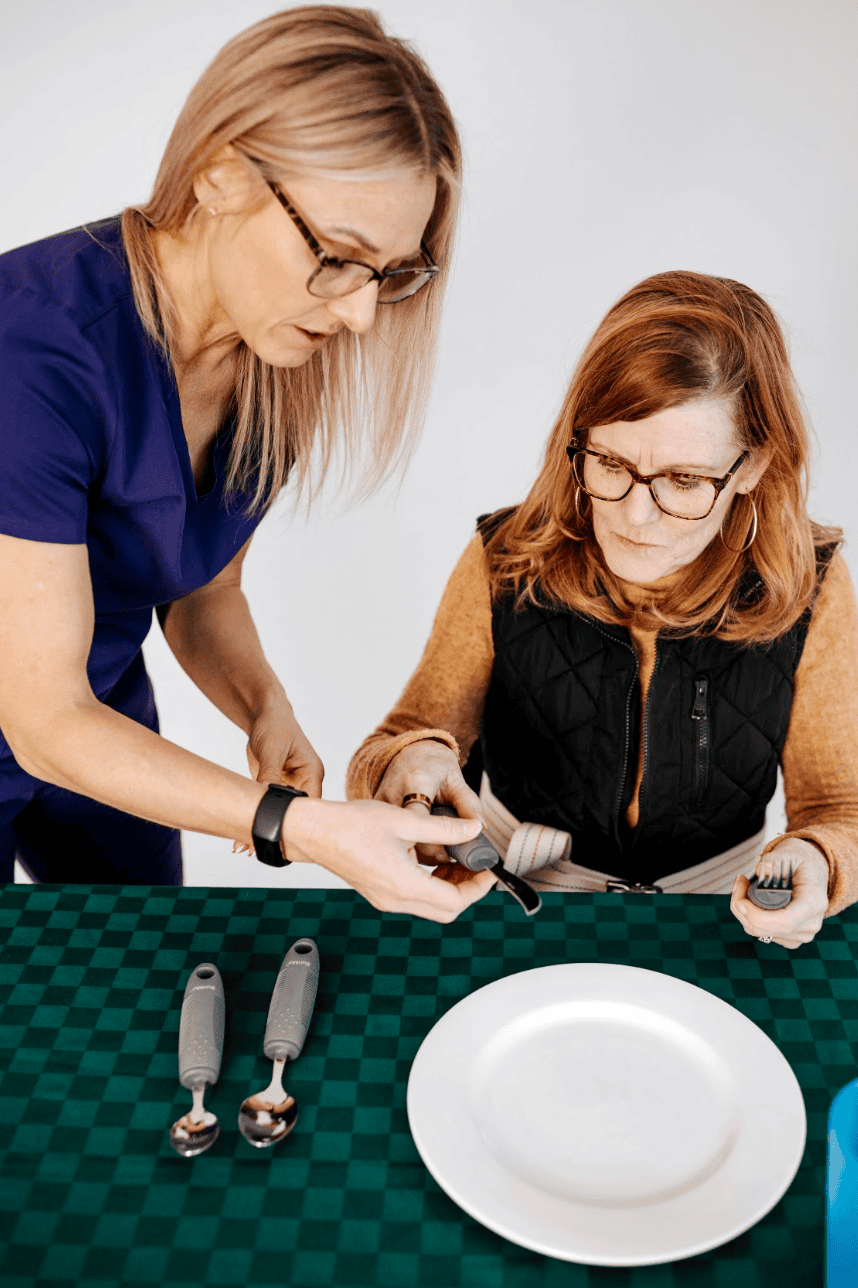
An OT may help identify hazards such as loose rugs, poor lighting, cluttered walkways, or frequently used items stored out of reach. They may also recommend adaptive equipment, strategies for safer transfers, or changes to daily routines based on the individual’s needs.
The goal isn’t to make someone’s world smaller. It’s to help them continue doing the things they enjoy with greater confidence and safety.
For Children: Building Safe Habits
Children are naturally curious, active, and eager to explore. Injury prevention can involve helping families create safer spaces while allowing children to develop independence.
Depending on the child’s needs, OT may address body awareness, coordination, motor planning, and safe participation in daily activities. Therapists can also help caregivers consider environmental modifications and routines that support safer play and self-care.
For Adults Recovering From Injury or Illness
An injury, stroke, brain injury, or other medical condition can change how safely someone manages everyday tasks.
Changes in balance, strength, vision, attention, memory, or judgment may make familiar activities more challenging than they were before.
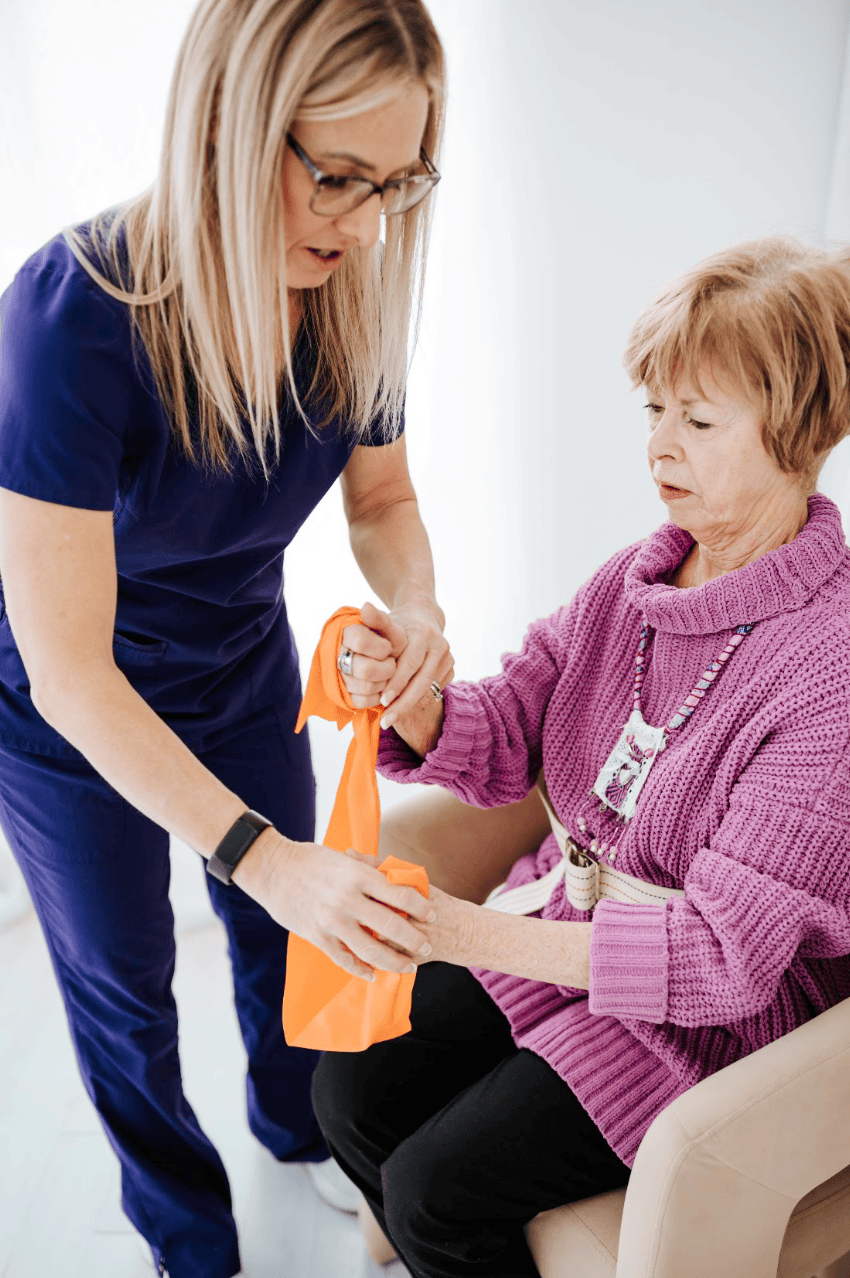
Occupational therapy can help individuals recognize these changes, practice safer ways to complete daily activities, and identify tools or environmental modifications that support independence.
Prevention is especially important when someone is returning to activities they previously completed without difficulty.
For Everyone: Rethinking the Environment
Sometimes, the person isn’t the problem—the environment needs to change.
A frequently used item may be stored too high. A bathroom may need additional support. A workspace may encourage awkward positioning. A busy environment may make it difficult for someone with cognitive or sensory challenges to focus on safety.
OT helps connect a person’s abilities with the demands of their surroundings.
That might mean rearranging a room, introducing adaptive equipment, changing how a task is completed, or establishing a routine that makes safety easier to maintain.
Safety and Independence Can Go Together
One common misconception is that making things safer means giving up independence.
But the right adaptations can actually help people maintain it.
A grab bar may make showering more manageable. A reorganized kitchen may allow someone to prepare meals more safely. A visual reminder may help a person remember an important step in a routine. A change in task setup may help someone conserve energy and avoid unnecessary strain.
These changes aren’t about taking over. They’re about helping people participate in daily life as safely and independently as possible.
And because everyone’s needs are different, recommendations should be individualized rather than based on a one-size-fits-all checklist.
Injury Prevention Is a Team Effort
Occupational therapists are one part of a much larger injury prevention effort. Families, caregivers, healthcare professionals, schools, workplaces, and communities all have a role in creating safer environments.
At iRehab Services, our occupational therapists, speech-language pathologists, and social workers recognize that health and independence are connected to many aspects of daily life.
Whether someone needs support with physical skills, cognitive changes, communication, daily routines, or access to resources, a coordinated approach can help address barriers that affect participation and safety.
This National Injury Prevention Day, Start Small
You don’t have to overhaul your entire home or routine to start thinking about safety.
Try asking yourself:
- Is there a daily task that feels harder or less safe than it used to?
- Are frequently used items easy to reach?
- Are walkways clear and well lit?
- Could a simple change make a routine easier?
- Would an older adult, child, or person recovering from an injury benefit from a closer look at their environment?
If you notice a concern, consider discussing it with an appropriate healthcare professional.
Because injury prevention isn’t just about avoiding what could go wrong. It’s about protecting the ability to keep doing what makes life meaningful.
How iRehab Services Can Help
iRehab Services provides occupational therapy, speech therapy, and social work services for children and adults. Our team supports functional skills, independence, and participation in everyday life.
Services are available in the home, at our Sterling Heights clinic, in community settings, and through telehealth when appropriate.
If you or a loved one could benefit from support with everyday activities, safety, or independence, reach out to learn more.
iRehab Services
Phone: 248.252.6064
Email: marcia@irehabservices.com
This article is for educational purposes and does not replace individualized medical advice or an occupational therapy evaluation.







leave a comment!
Comments