




What if communication wasn’t defined by whether someone could hear or speak?
For some individuals, communication may happen through American Sign Language, gestures, writing, AAC, facial expressions, visual supports, spoken language, or a combination of methods.
During Deaf Awareness Month, we’re reminded that communication access is about much more than the ability to hear. It’s about connection, choice, participation, and being understood.
At iRehab Services, we believe every individual deserves access to a communication system that works for them.
Communication Doesn’t Have One “Right” Form
There is often an assumption that speech should always be the ultimate goal of communication therapy.
But effective communication can look very different from person to person. Someone may communicate primarily through ASL. Another person may use spoken language. Someone else may combine speech with gestures, writing, or AAC. The goal should be meaningful communication—not forcing everyone into the same communication style.
Why Communication Access Matters
Communication affects nearly every part of life.
It allows us to:
- Express wants and needs
- Build friendships
- Participate in school
- Advocate for ourselves
- Make healthcare decisions
- Develop relationships
- Participate at work
- Express emotions
- Make choices
- Maintain independence
When communication access is limited, participation can be limited too.
Creating More Accessible Communication Environments
Sometimes meaningful changes don’t require complicated technology.
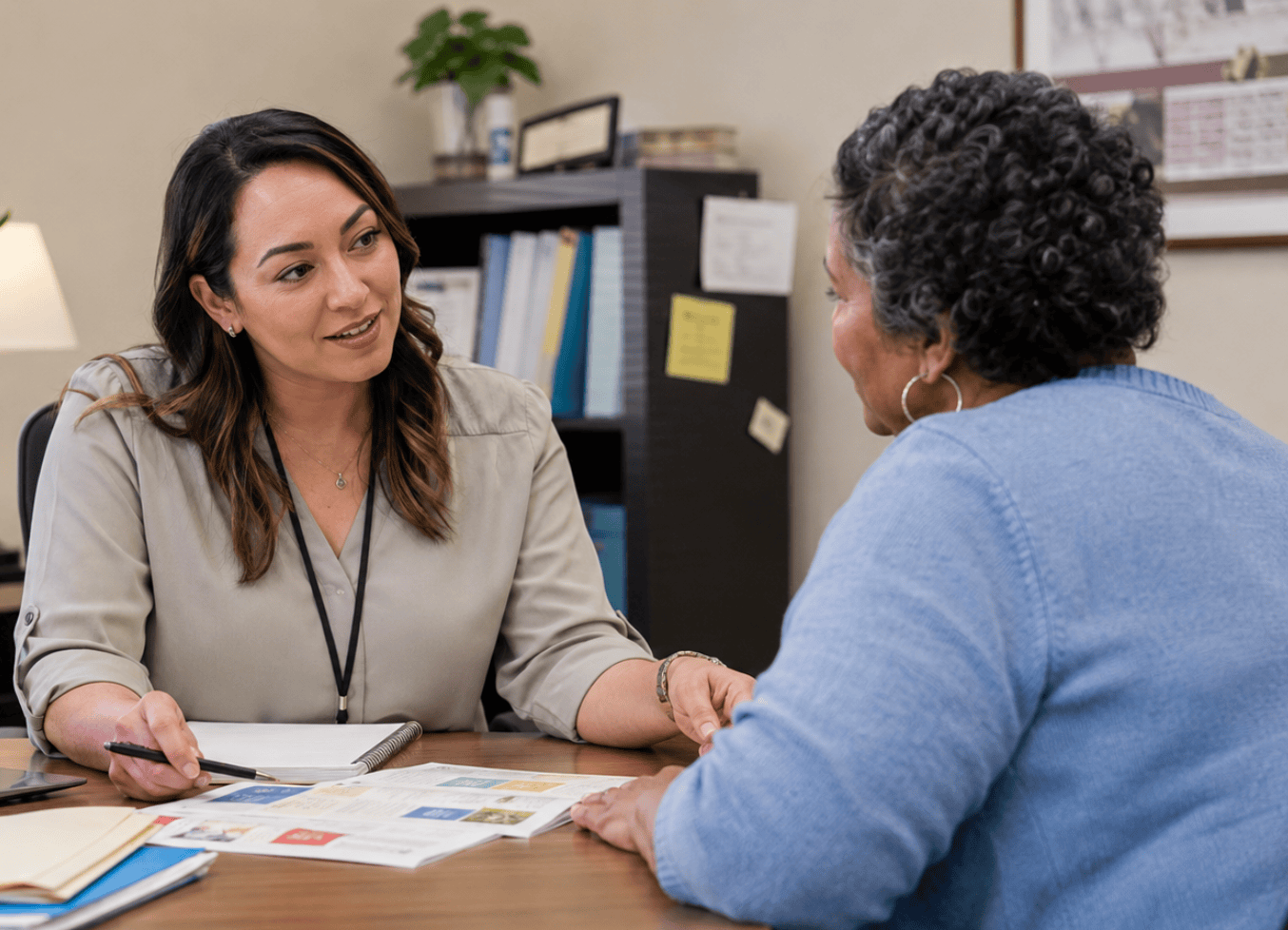
Families, teachers, employers, and healthcare providers can improve communication access by:
- Providing written information
- Using captions
- Reducing background noise
- Making visual information available
- Allowing additional processing time
- Asking someone how they prefer to communicate
- Learning and using preferred signs
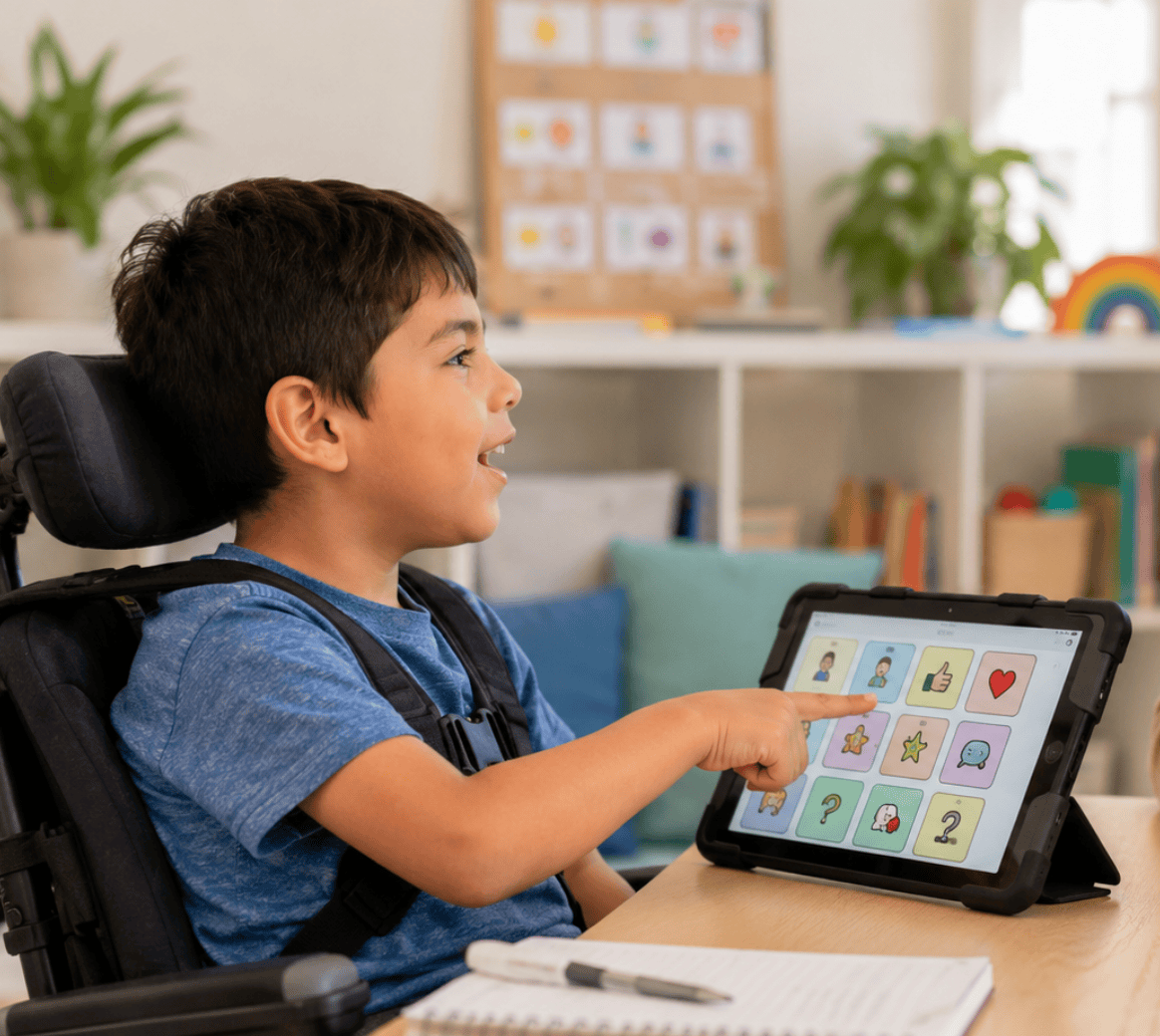
- Making sure communication devices are available when needed
Most importantly, ask rather than assume.
How Speech Therapy Can Support Communication
Our speech-language pathologists work with individuals across the lifespan on individualized communication goals.
Depending on the person’s needs, therapy may address:
- Speech and language
- AAC
- Functional communication
- Social communication
- Communication strategies
- Caregiver education
- Participation in everyday activities
For children, this may mean helping them communicate at home and school.
For adults, it may mean improving communication at work, with family, or in the community.
Communication Is About More Than Being Heard
It’s about being able to participate.
At iRehab Services, we strive to provide individualized care that respects each person’s communication preferences, strengths, and goals.
Our speech therapy services are available in-home, in our Sterling Heights clinic, in community settings, and through telehealth.
📞 248.252.6064
📧 marcia@irehabservices.com
Because everyone deserves a way to express themselves, connect with others, and have their voice—and their communication—valued.








leave a comment!
Comments