
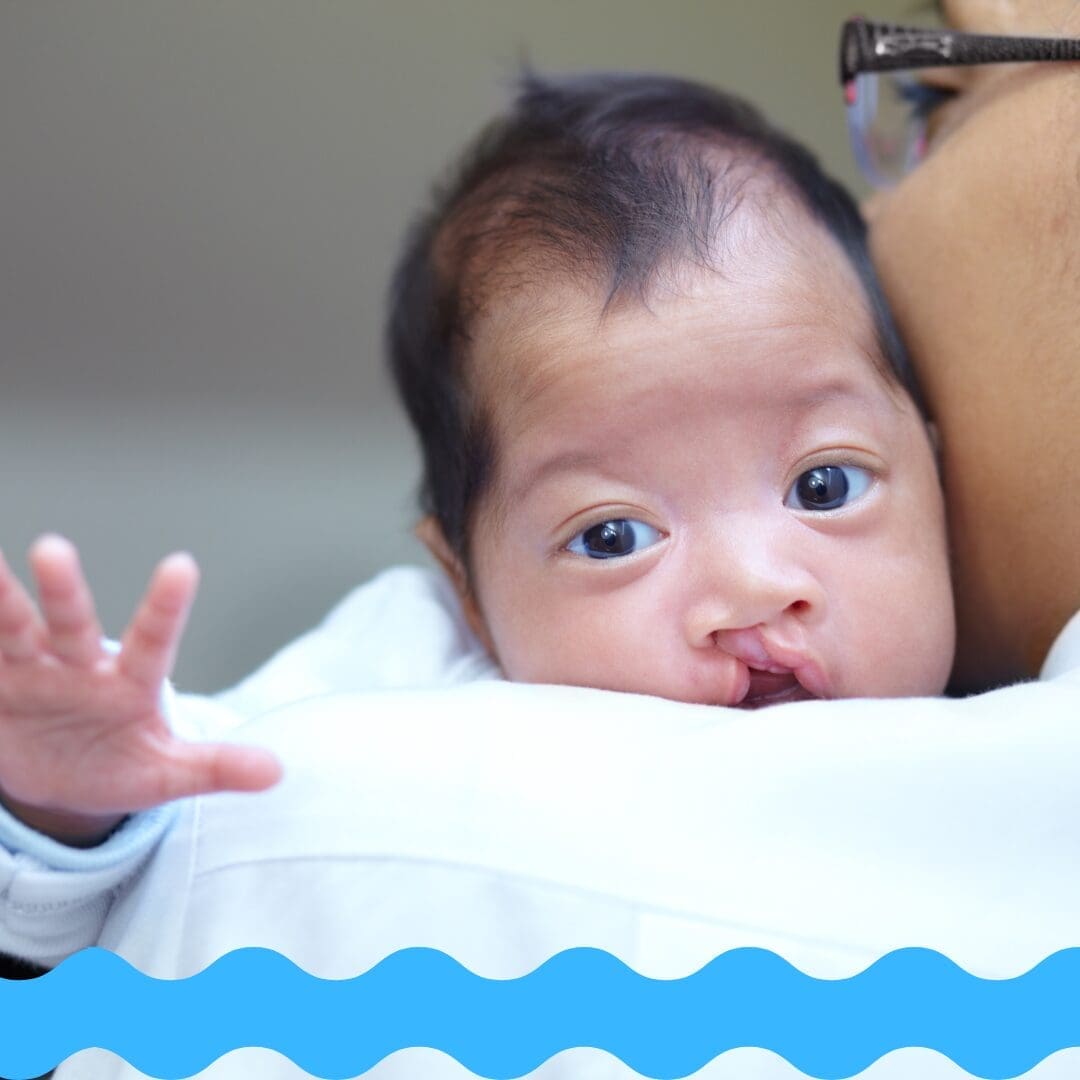



July is National Cleft and Craniofacial Awareness and Prevention Month, a time to raise awareness about cleft lip, cleft palate, and other craniofacial differences while celebrating the resilience of the children, adults, and families who navigate these journeys every day.
At iRehab, we recognize that cleft and craniofacial conditions can impact much more than appearance. These conditions may affect feeding, speech development, hearing, social participation, and overall quality of life. With the right support and a collaborative team approach, individuals can thrive at every stage of development.
What Are Cleft Lip and Cleft Palate?
A cleft lip occurs when the upper lip does not fully form during pregnancy. A cleft palate occurs when there is an opening in the roof of the mouth due to incomplete fusion during development.
Cleft lip and palate are among the most common birth differences and can occur independently or together. Some individuals may also have other craniofacial differences that affect the structure of the face, jaw, skull, or oral cavity.
Because these conditions can impact multiple areas of development, care often involves a team of specialists working together to support the individual and their family.
How Can a Cleft or Craniofacial Difference Affect Development?
Every child and adult is unique, but some common challenges may include:
- Feeding and swallowing difficulties
- Speech sound production challenges
- Hypernasal speech or resonance differences
- Hearing concerns related to recurrent ear infections
- Oral motor difficulties
- Social and emotional challenges related to communication or appearance
Early intervention and ongoing support can make a significant difference in helping individuals develop strong communication and feeding skills.
The Role of Speech Therapy
Speech-language pathologists play an important role in the care of individuals with cleft lip, cleft palate, and craniofacial conditions.
Speech therapy may help with:
Speech Sound Development
Some children may have difficulty producing certain speech sounds due to structural differences or learned compensatory speech patterns. Therapy helps establish correct sound placement and improve speech intelligibility.
Resonance and Voice
Children and adults with a history of cleft palate may experience differences in how air flows through the mouth and nose during speech. Speech therapists assess these patterns and work closely with medical teams to determine the most appropriate treatment approach.
Language Development
Like all children, those with cleft or craniofacial conditions benefit from strong language skills that support learning, social interactions, and academic success.
Social Communication and Confidence
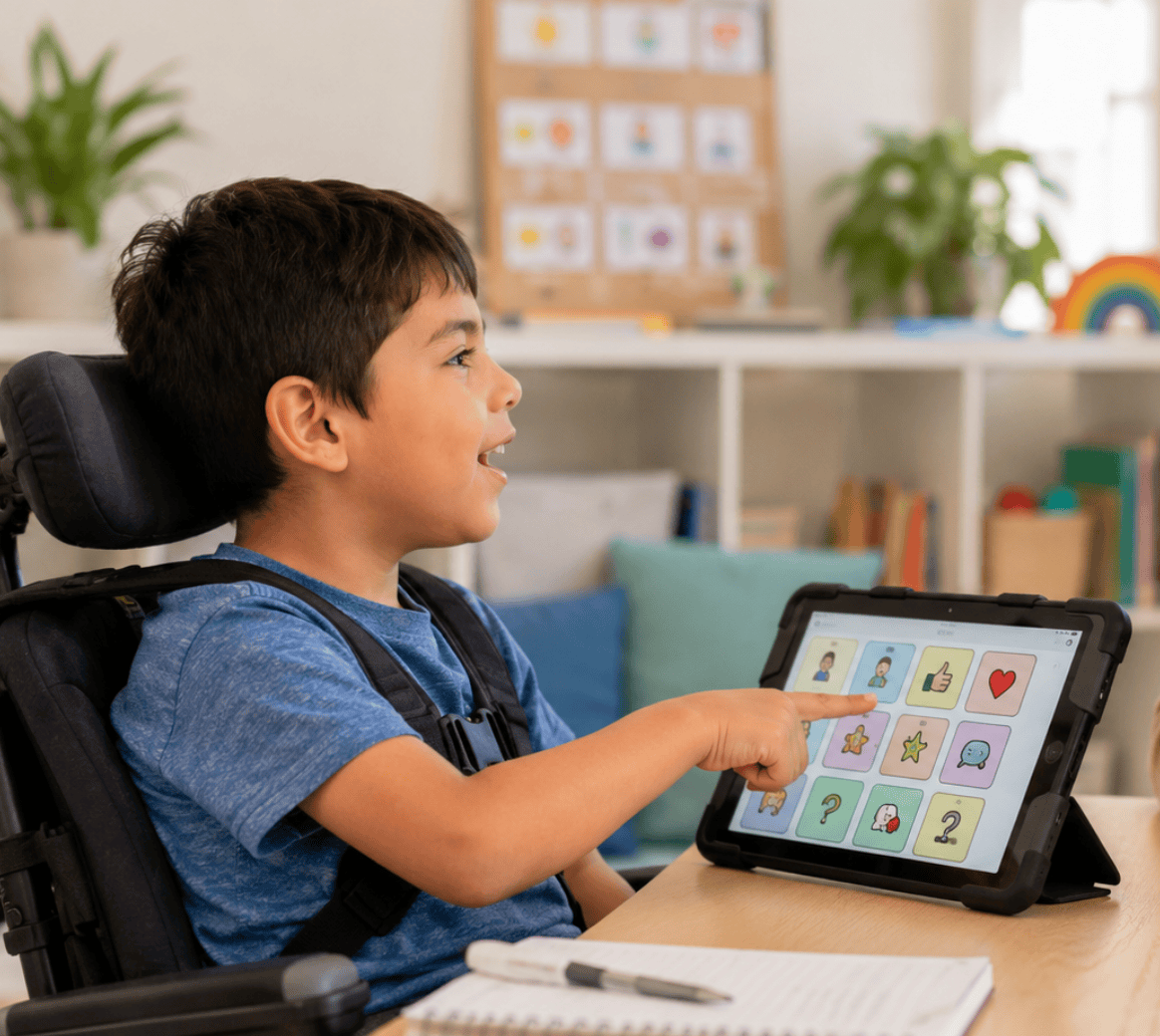
Communication is about more than speech sounds. Therapy can help individuals build confidence in conversations, classroom participation, and social interactions.
Feeding Support for Infants and Children
Feeding can be one of the earliest challenges for infants born with cleft palate or other craniofacial differences.
Speech-language pathologists may provide guidance regarding:
- Bottle feeding strategies
- Safe swallowing techniques
- Transitioning to solids
- Oral motor development
- Mealtime routines
Supporting feeding early can reduce stress for families and promote healthy growth and development.
A Team Approach to Care
Children and adults with cleft and craniofacial conditions often benefit from collaboration among:
- Speech-language pathologists
- Occupational therapists
- Physicians and surgeons
- Dentists and orthodontists
- Audiologists
- Social workers
- Feeding specialists
When professionals work together, care becomes more comprehensive, coordinated, and functional.
Supporting Families Every Step of the Way
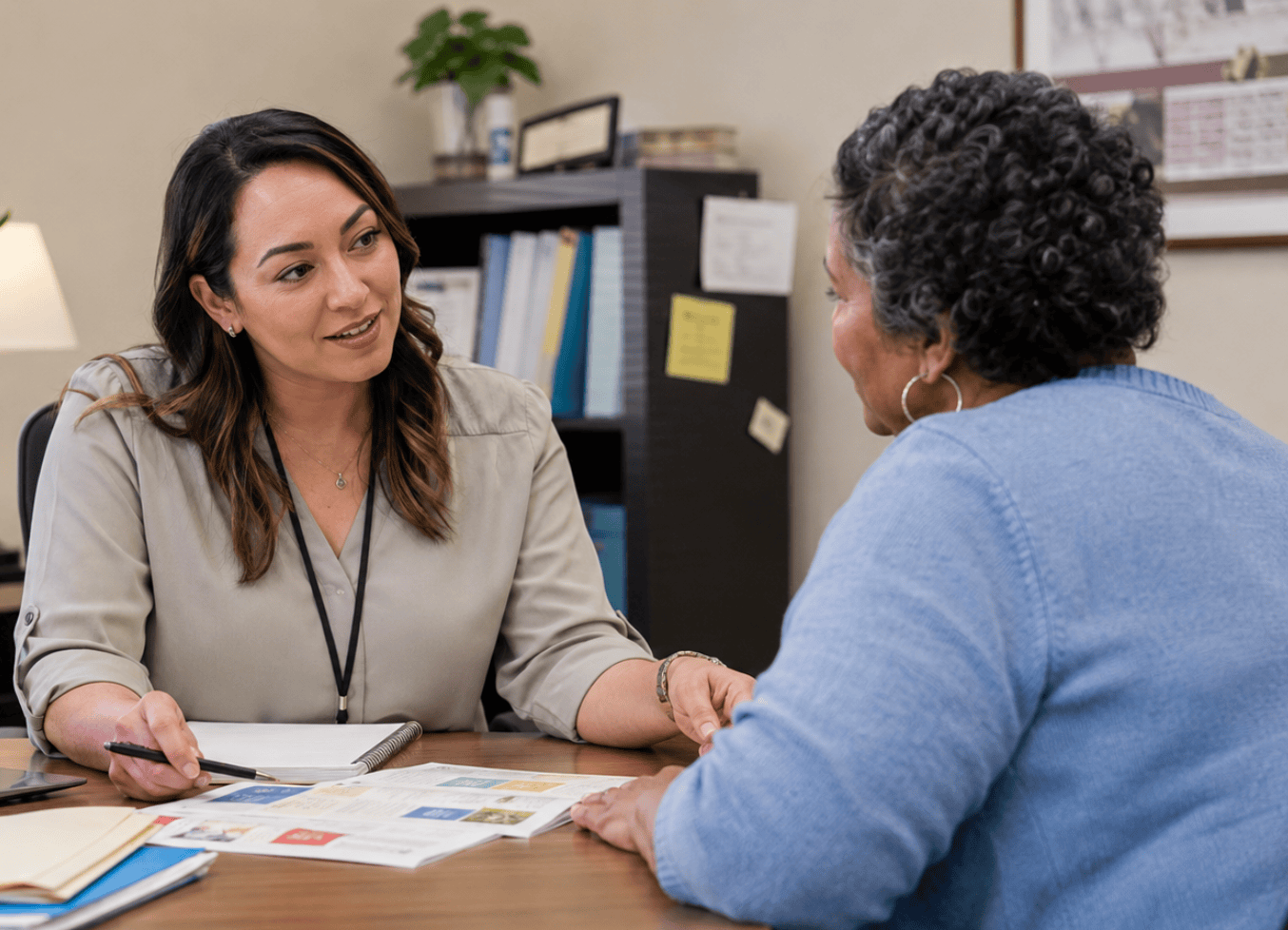
A cleft or craniofacial diagnosis can bring many questions and emotions for families. Education, support, and early intervention can help parents feel empowered and confident as they navigate their child’s developmental journey.
At iRehab, we believe in meeting families where they are and helping children develop the skills they need to communicate, connect, and participate fully in everyday life.
We’re Here to Help
If you have concerns about feeding, speech development, resonance, or communication skills related to cleft lip, cleft palate, or other craniofacial conditions, our team is here to help.
We offer services in-home, in our Sterling Heights clinic, in community settings, and through telehealth to make care accessible and convenient for families.
📞 Call 248.252.6064
📧 Email marcia@irehabservices.com
This National Cleft and Craniofacial Awareness and Prevention Month, we celebrate every milestone, every voice, and every family navigating this journey with strength and determination.








leave a comment!
Comments