


When most people think about recovery after a stroke or brain injury, they often focus on the physical and cognitive challenges—walking, speaking, memory, or returning to daily activities.
But healing involves much more than rebuilding physical skills.
For many individuals and families, one of the most difficult parts of recovery is navigating the emotional impact that follows.
At iRehab, our social workers understand that recovery isn’t just about what has changed physically—it’s also about adjusting to changes in identity, relationships, independence, and daily life.
Recovery Is More Than Physical
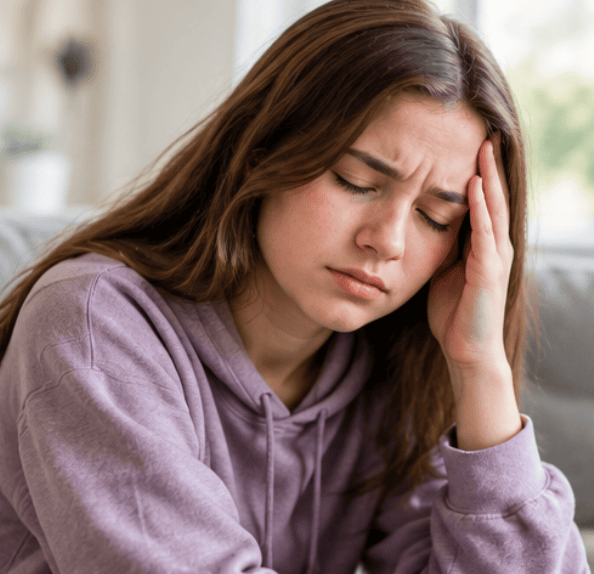
A stroke or brain injury can happen suddenly, changing life in an instant. Even mild injuries, such as concussions, can leave individuals feeling frustrated, overwhelmed, or unlike themselves.
Many survivors experience emotions they didn’t anticipate, including:
- Anxiety
- Depression
- Grief
- Irritability
- Anger
- Feelings of isolation
- Loss of confidence
- Fear about the future
These reactions are common and understandable. Recovery often involves grieving the loss of routines, abilities, or expectations while learning to adapt to a new normal.
“I Don’t Feel Like Myself”
One of the most common things survivors say is:
“I just don’t feel like myself anymore.”
Changes in energy, memory, communication, and independence can affect self-esteem and sense of identity.
People may find themselves:
- Avoiding social situations
- Feeling embarrassed by communication or cognitive difficulties
- Becoming frustrated more easily
- Losing interest in hobbies or activities they once enjoyed
- Worrying about being a burden to others
These feelings are real—and they deserve attention and support.
Recovery Affects the Whole Family
Brain injuries and strokes don’t just affect the individual—they impact spouses, children, parents, and caregivers as well.
Family members may experience:
- Stress and burnout
- Changes in roles and responsibilities
- Feelings of guilt or helplessness
- Anxiety about the future
- Challenges in communication and relationships
Recovery is a family journey, and caregivers need support too.
How Social Work Can Help
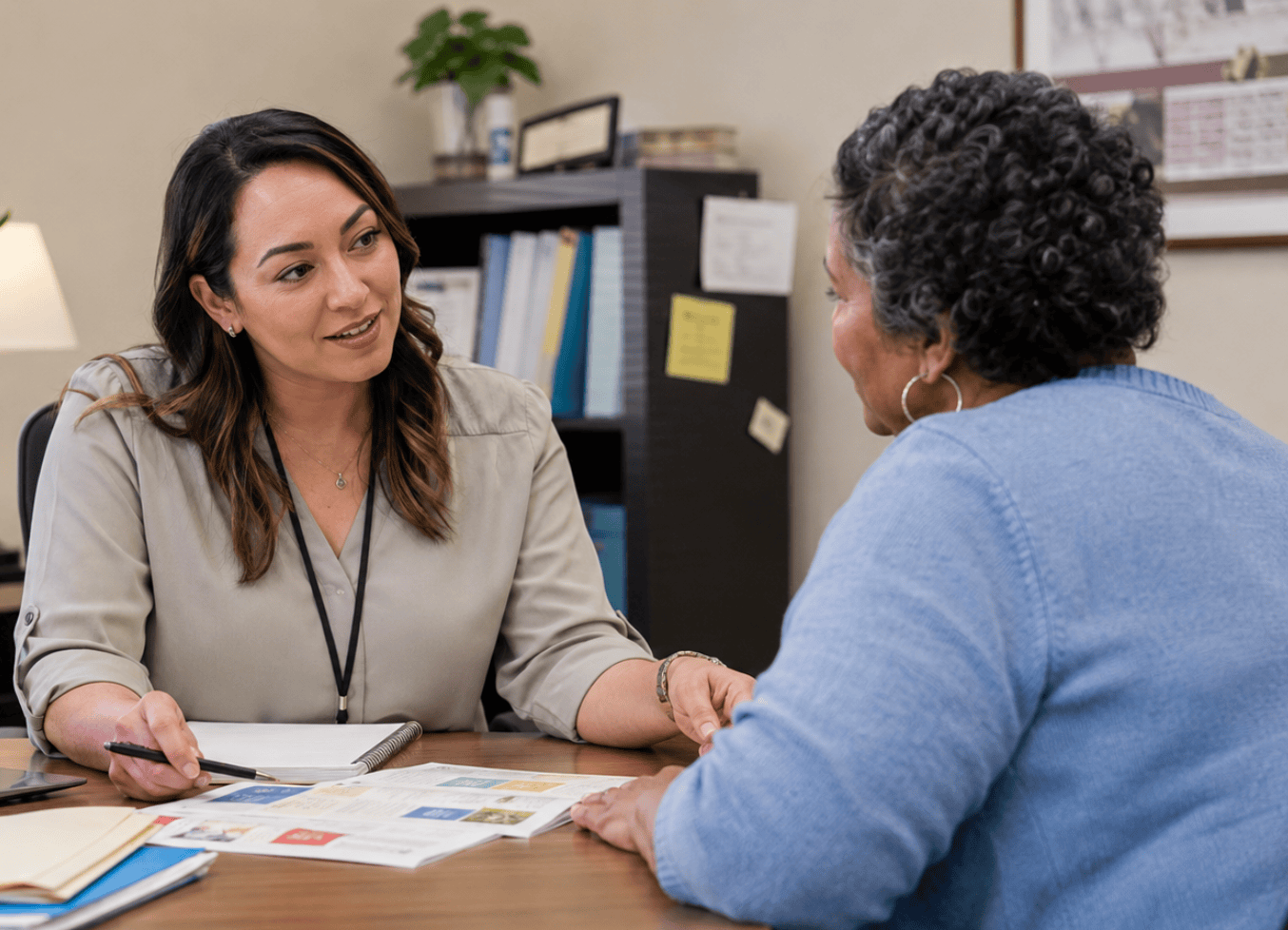
Social workers are an important part of the rehabilitation team, helping individuals and families navigate the emotional and practical aspects of recovery.
Support may include:
Emotional Adjustment
Processing feelings of grief, frustration, anxiety, or depression and developing healthy coping strategies.
Building Confidence
Helping individuals regain a sense of purpose and reconnect with meaningful activities.
Caregiver Support
Providing education, guidance, and strategies to help loved ones manage the challenges of caregiving.
Problem-Solving and Resource Navigation
Connecting individuals and families with community resources and helping them adapt to new routines and responsibilities.
Relationship and Communication Support
Addressing changes in family dynamics and strengthening communication between loved ones.
Healing Takes Time
Recovery after stroke or brain injury is rarely a straight line.
There may be victories, setbacks, frustrations, and unexpected emotions along the way. Progress doesn’t always happen quickly, and healing looks different for everyone.
Having support during this process can make a tremendous difference.
A Team Approach to Recovery
At iRehab, our social workers collaborate with speech-language pathologists and occupational therapists to provide comprehensive, functional care.
Together, we help individuals and families address:
- Communication challenges
- Cognitive changes
- Daily living skills
- Emotional adjustment
- Caregiver needs
- Community reintegration
Because successful recovery isn’t just about regaining abilities—it’s about rebuilding a meaningful life.
You’re Not Alone
If you or a loved one are recovering from a stroke, traumatic brain injury, or concussion, know that emotional struggles are common—and help is available.
At iRehab Services, our social workers provide compassionate support to help individuals and families navigate recovery with resilience, hope, and confidence.
Services are available:
- In-home
- In our Sterling Heights clinic
- In community settings
- Via telehealth
📞 Call 248.252.6064
📧 Email marcia@irehabservices.com
Healing after a stroke or brain injury involves more than physical recovery. By caring for emotional health, relationships, and overall well-being, individuals and families can move forward with greater strength and support.





leave a comment!
Comments