
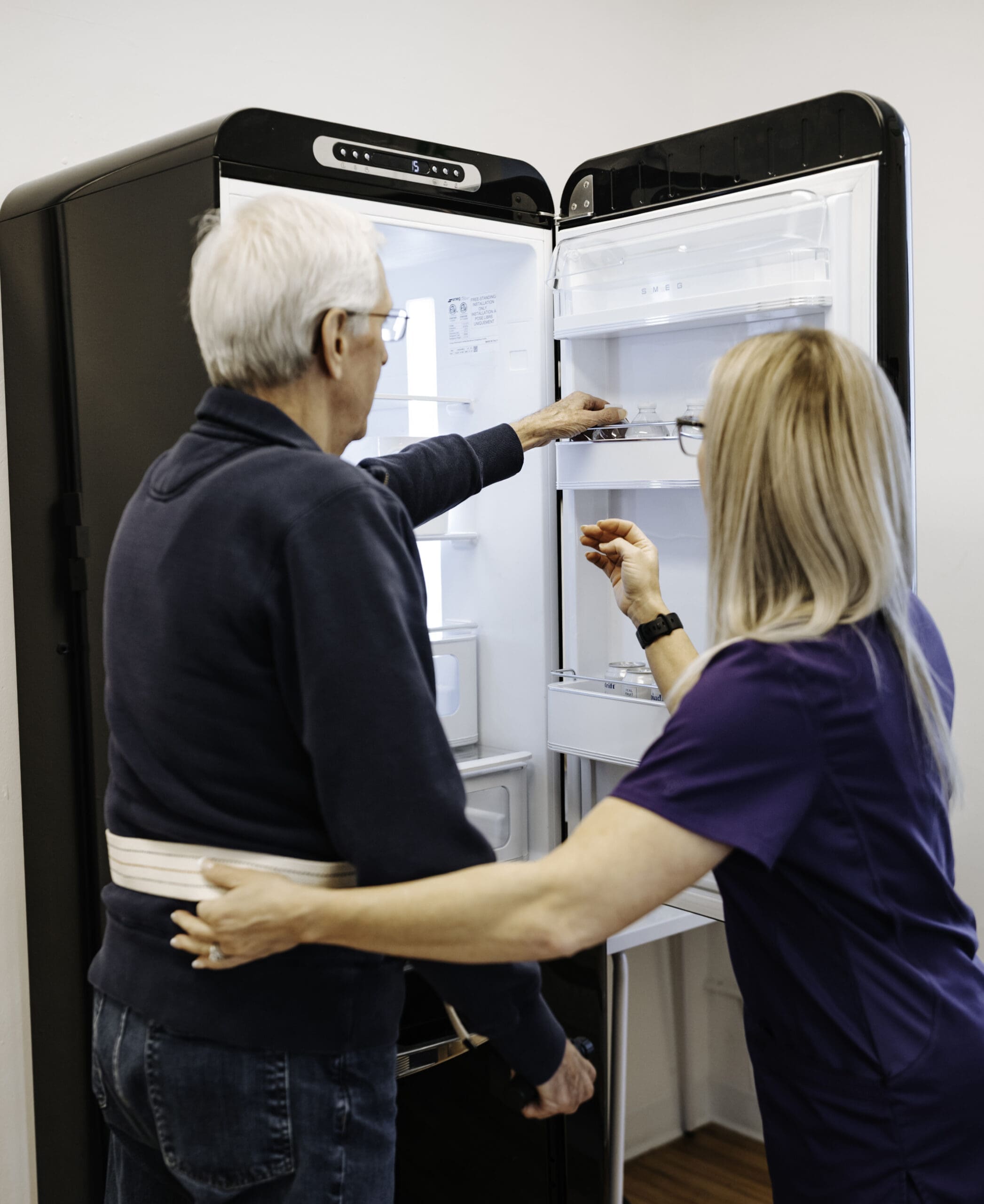



June is National Safety Month, a time to focus on preventing injuries and creating safer environments at home, at work, and in the community. While safety is important for everyone, it becomes especially critical for children, older adults, and individuals recovering from illness, injury, or neurological changes.
At iRehab Services, occupational therapists play a key role in helping people stay safe while maintaining independence in the activities that matter most.
What Is Occupational Therapy?
Occupational therapy helps individuals develop, regain, or maintain the skills needed for daily living. From getting dressed and preparing meals to returning to work or participating in hobbies, occupational therapists focus on making everyday tasks safer, easier, and more manageable.
A major part of this work involves identifying safety risks and creating practical solutions.
How Occupational Therapy Promotes Safety
Occupational therapists assess how a person functions within their environment and recommend strategies to reduce risks while maximizing independence.
Home Safety
OTs can help identify hazards such as:
- Fall risks from loose rugs or poor lighting
- Unsafe bathroom setups
- Difficult-to-reach household items
- Challenges with stairs or transfers
They may recommend:
- Grab bars and adaptive equipment
- Improved lighting and organization
- Environmental modifications
- Safer methods for completing daily tasks
Fall Prevention
Falls are a leading cause of injury, particularly among older adults. Occupational therapy can help by addressing:
- Balance and coordination during functional activities
- Safe transfer techniques
- Mobility within the home and community
- Strategies for navigating uneven surfaces and obstacles
Cognitive Safety
For individuals with memory or attention difficulties, OT can support:
- Medication management systems
- Safety routines and checklists
- Kitchen safety strategies
- Techniques for managing distractions
- Emergency preparedness planning
Pediatric Safety
For children, occupational therapists help families address:
- Safe play and sensory regulation
- Motor coordination for playground and sports activities
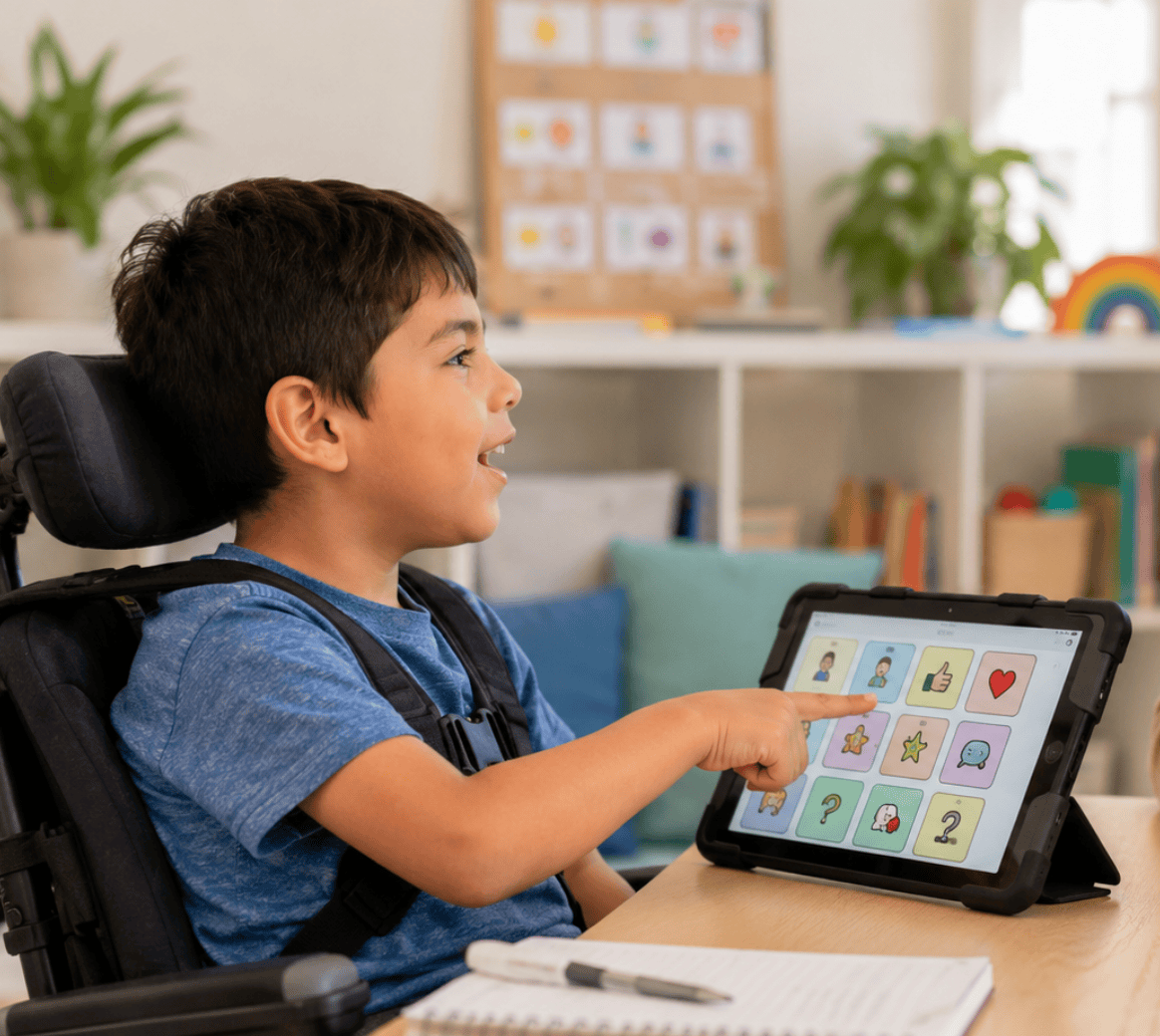
- Home safety for children with developmental or sensory needs
- Self-care safety and independence
Who Can Benefit?
Occupational therapy can improve safety for:
- Older adults aging in place
- Individuals recovering from stroke or brain injury
- People with neurological conditions
- Children with developmental or sensory challenges
- Anyone experiencing changes in mobility, cognition, or daily function
Safety Without Sacrificing Independence
The goal of occupational therapy isn’t simply to prevent accidents, it’s to help people continue doing the things they love with confidence.
Through personalized strategies, adaptive tools, and environmental modifications, OT helps individuals remain active, engaged, and independent while reducing risk.
How iRehab Can Help
Our occupational therapists provide safety-focused services in the settings where they matter most:
- In-home evaluations and treatment
- Clinic-based therapy
- Community-based interventions
- Telehealth consultations
This allows us to address real-world challenges in real-world environments.
Prioritize Safety This National Safety Month
Whether you’re concerned about falls, home safety, daily routines, or returning to activities after an injury, occupational therapy can help.
📞 Call 248-252-6064
📧 Email marcia@irehabservices.com
🌐 Visit iRehabServices.com
This National Safety Month, take a proactive step toward greater safety, confidence, and independence. Occupational therapy can help you live safely—without giving up the activities that make life meaningful.









leave a comment!
Comments