Blog

A concussion can be one of the most misunderstood injuries because, from the outside, everything may look fine. There may be no cast, no visible wound, and no obvious physical limitation. Someone may be walking, talking, and going about their day while quietly struggling with memory, concentration, fatigue, vision, communication, or emotional regulation. That’s one […]

Healthcare can be complicated. Multiple appointments. Multiple providers. New medications. Changing recommendations. Therapy exercises. Follow-up instructions. For individuals managing chronic conditions or recovering from an injury, keeping everything organized can feel like a full-time job. That’s why communication is one of the most important pieces of patient safety. World Patient Safety Day, observed September 17, […]

When you hear the word rehabilitation, what comes to mind? Exercises? Recovery after an injury? Learning to walk again? While those things can absolutely be part of rehabilitation, rehabilitation is so much bigger. National Rehabilitation Awareness Week, September 14-20, 2026, is an opportunity to recognize the professionals who help people rebuild skills, develop new strategies, […]

Imagine having something you really want to say—but your mouth doesn’t seem to know how to make the words come out the way you planned. You know the word. You know what you mean. But saying it accurately is difficult. For children with Childhood Apraxia of Speech (CAS), this can be part of everyday life. […]

Pain doesn’t always stay in one place. Over time, persistent pain can begin affecting sleep, movement, concentration, work, relationships, hobbies, and even the routines that once made daily life feel manageable. Someone may stop cooking because standing hurts. They may stop playing with their children because getting down on the floor is uncomfortable. They may […]

Have you ever wondered: These are common questions, and the answer isn’t always straightforward. While ADHD and executive function difficulties are closely related, they are not the same thing. Understanding the difference can help individuals and families find the right support and strategies. What Are Executive Functions? Executive functions are the brain’s “management skills.” They […]

What if communication wasn’t defined by whether someone could hear or speak? For some individuals, communication may happen through American Sign Language, gestures, writing, AAC, facial expressions, visual supports, spoken language, or a combination of methods. During Deaf Awareness Month, we’re reminded that communication access is about much more than the ability to hear. It’s […]

Between school drop-offs, work responsibilities, after-school activities, and helping aging parents navigate their own health needs, many adults find themselves caught in the middle. This growing group of caregivers is often referred to as the “Sandwich Generation”—adults who are simultaneously caring for children while supporting aging parents. While this role can be incredibly rewarding, it […]

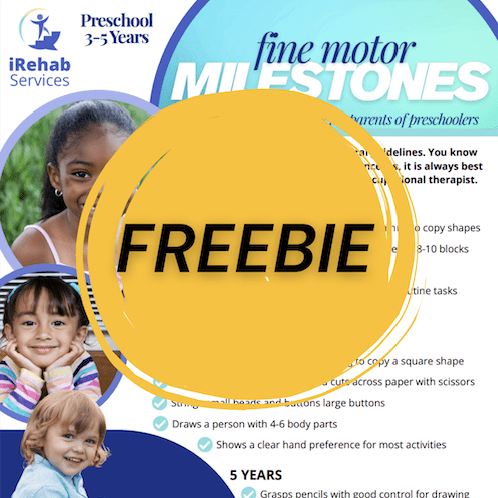
From holding crayons to buttoning coats, fine motor skills play a huge role in a child’s independence and readiness for school. These skills allow children to use the small muscles of the hands and fingers to complete everyday tasks at home, in preschool, and beyond. Because fine motor development happens gradually, many parents wonder: “Is […]

Have you noticed that your voice isn’t as strong as it used to be? Are family members frequently asking you to repeat yourself? Do you feel like speaking takes more effort or that people have trouble hearing you? Changes in voice are common in individuals with Parkinson’s disease and other neurological conditions, but they don’t […]