




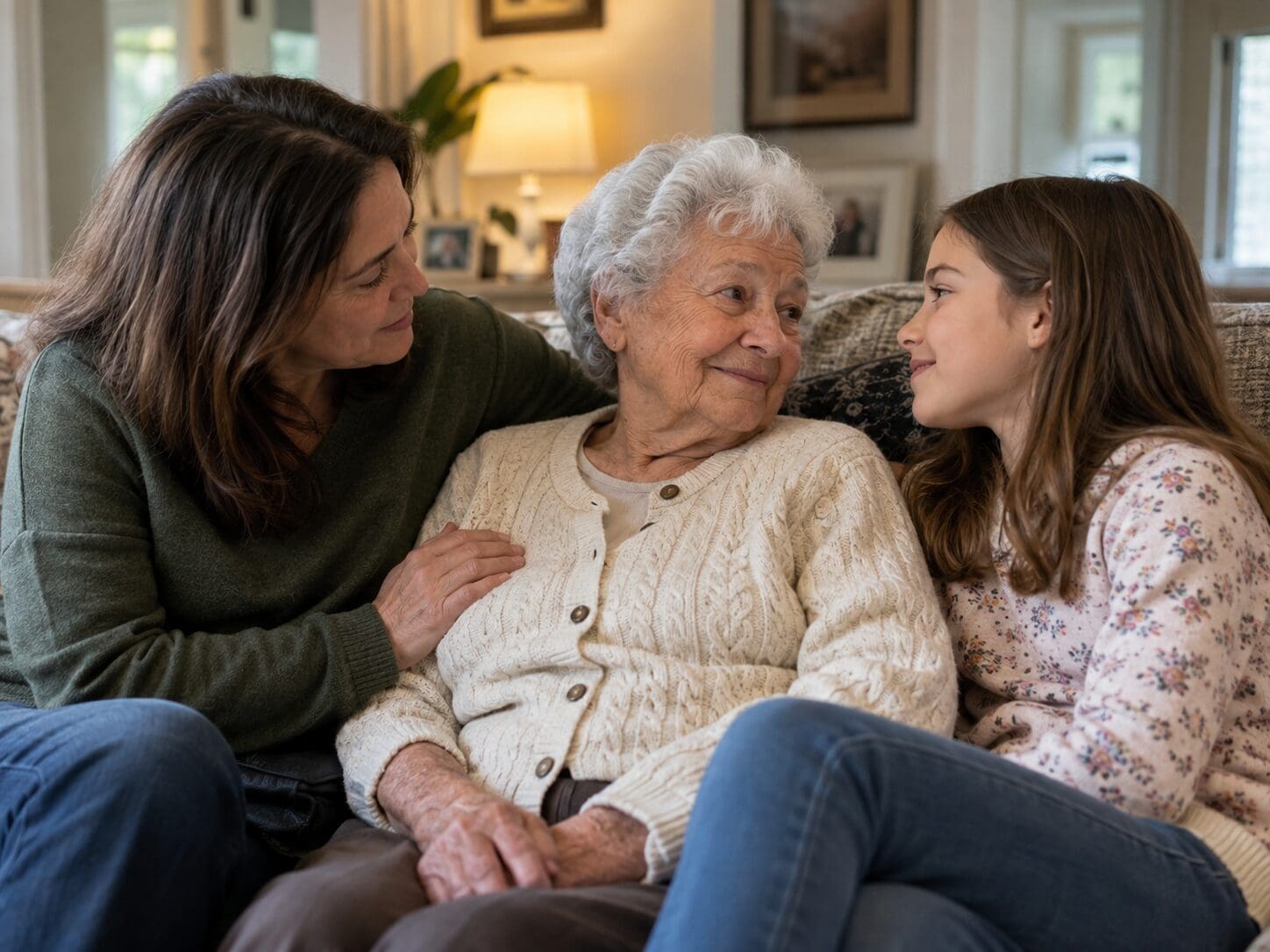
November is National Family Caregivers Month—a time to recognize the millions of people who provide care, coordination, transportation, encouragement, and support to someone they love.
But there’s something we don’t talk about enough:
The caregiver is often managing an entire system of care while trying to be a spouse, parent, child, sibling, employee, and person themselves.
They may not have a medical degree.
They may not have training in rehabilitation.
And yet, they often become the person who knows the patient’s medications, appointments, routines, symptoms, preferences, and challenges better than anyone else.
“What Am I Supposed to Do When We’re Home?”
This is one of the most important questions a caregiver can ask.
A therapy session might last an hour.
But what happens during the other 167 hours of the week?
That’s where caregiver education becomes incredibly valuable.
Instead of simply telling families what to practice, therapists can help caregivers understand:
- What are we working on?
- Why does it matter?
- What should I do when it doesn’t work?
- How much support should I provide?
- When should I step back?
- How can we make this part of our normal routine?
Caregiving Doesn’t Have to Mean Doing Everything
One of the biggest misconceptions about caregiving is that being supportive means doing things for someone.
Sometimes the most helpful thing a caregiver can do is create the conditions for someone to do something themselves.
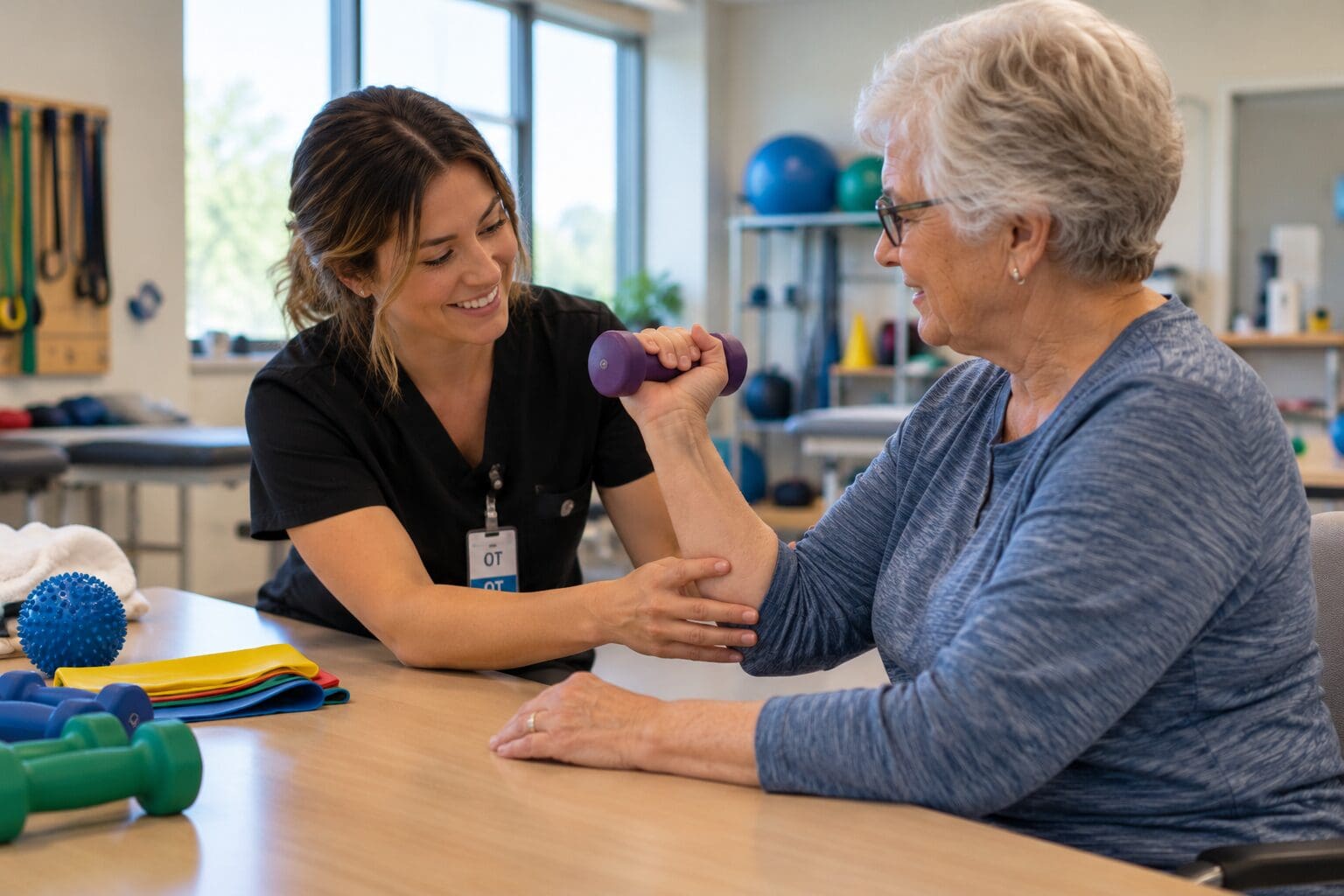
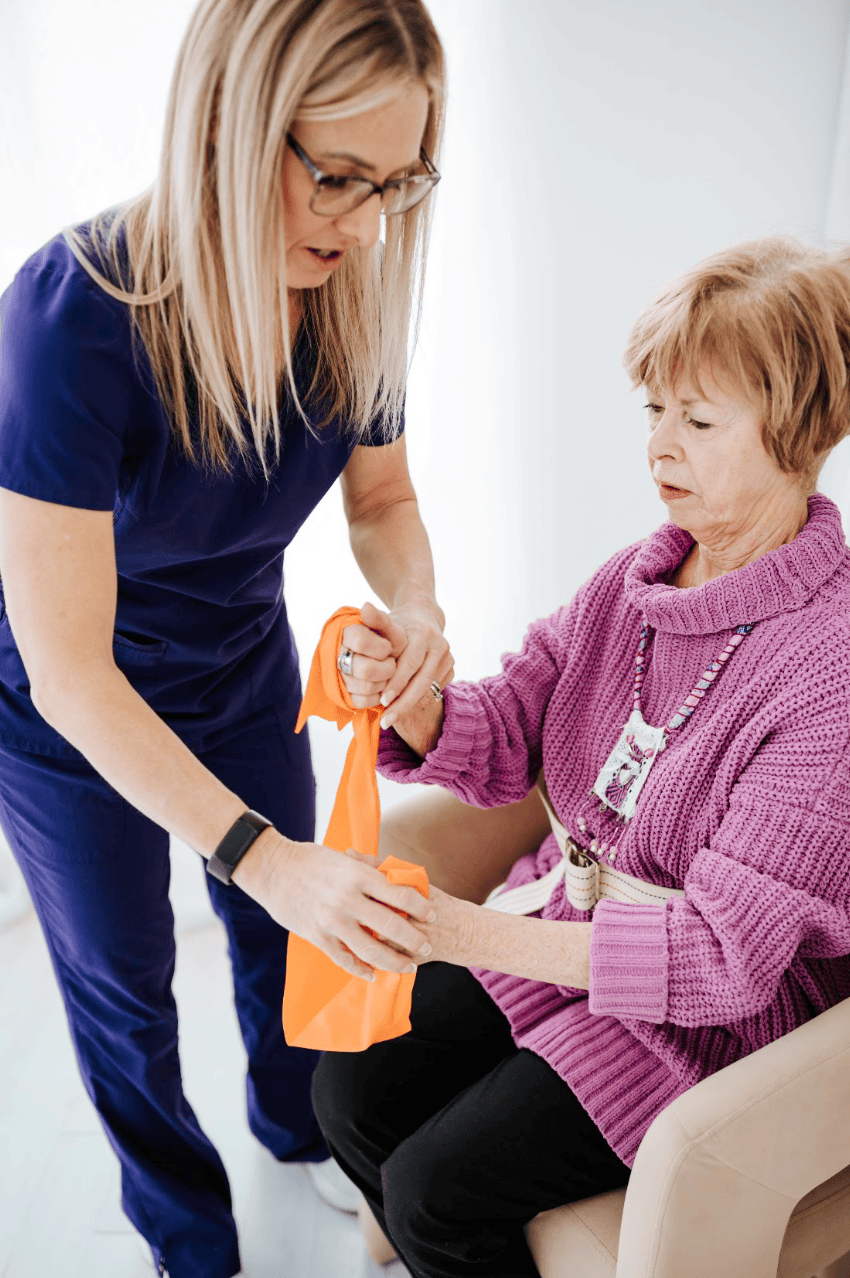
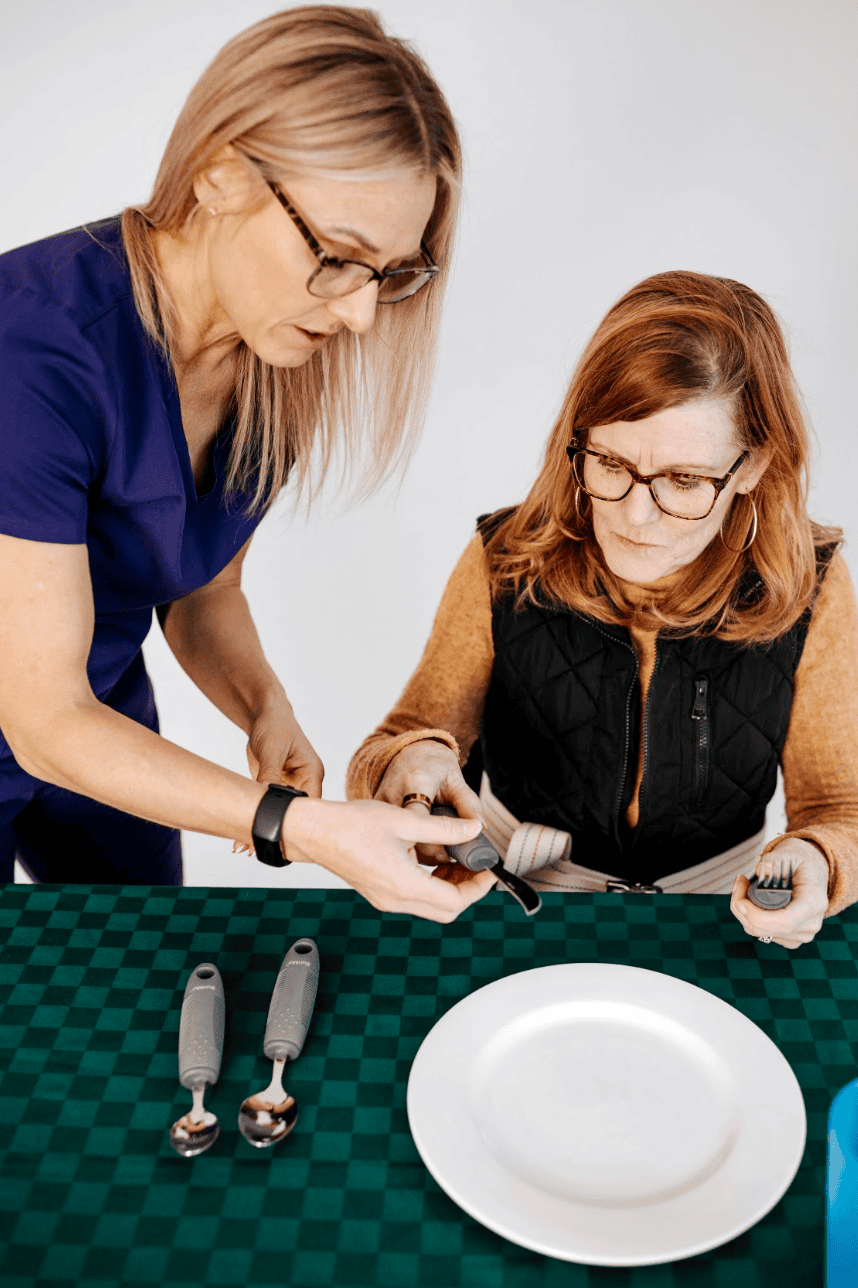
An OT might help modify a morning routine so an individual can complete more steps independently.
An SLP might teach memory strategies that allow someone to manage more of their own appointments.
A social worker might help the family identify resources so the caregiver isn’t carrying every responsibility alone.
The goal isn’t to make the caregiver unnecessary.
It’s to make the entire system more sustainable.
What Caregivers Need, Too
Caregivers may need support with:
🗓️ Organizing appointments and responsibilities
💊 Managing medication routines
🧠 Understanding cognitive changes
🏡 Creating safer home environments
💬 Communicating with healthcare providers
❤️ Navigating emotional changes
📋 Finding community resources
⚖️ Setting realistic boundaries
And sometimes, they simply need someone to say:
“You don’t have to figure all of this out by yourself.”
Rehabilitation Should Include the Family
At iRehab, we believe therapy works best when it fits into real life.
That means caregivers can be an important part of the therapeutic process when appropriate.
Our speech-language pathologists, occupational therapists, and social workers can provide education and strategies that families can incorporate into everyday routines.
And because we offer services in-home, in our Sterling Heights clinic, in community settings, and through telehealth, we can meet families in the environment that works best for them.
This National Family Caregivers Month…
We’re celebrating the people who quietly keep everything moving.
The person who drives to appointments.
The person who remembers the medication.
The person who makes the phone calls.
The person who sits beside someone when they’re frustrated.
The person who celebrates the tiny victories.
Caregivers are part of the care team—and they deserve support, too.
📞 248.252.6064
📧 marcia@irehabservices.com






leave a comment!
Comments