



National Rural Health Day is an opportunity to recognize the unique healthcare challenges faced by people living in rural communities—and to highlight solutions that can improve access to care.
One of those solutions?
Telehealth.
Because needing speech therapy, occupational therapy, or social work shouldn’t automatically mean driving an hour—or more—for an appointment.
What Happens When the Closest Specialist Is Far Away?
Imagine you live in a rural community.
You need speech therapy after a stroke.
The closest provider with the right specialty is 60 miles away.
That’s potentially:
🚗 Two hours of driving
⛽ Fuel costs
🗓️ Time away from work
👶 Childcare arrangements
❄️ Weather concerns
And if you need therapy multiple times a week?
Those barriers add up quickly.
For someone recovering from a brain injury, managing fatigue, or caring for an older family member, the logistics of getting to therapy can become a barrier to therapy itself.
Telehealth Can Change the Equation
Telehealth doesn’t eliminate every healthcare access problem.
But for many individuals, it can remove a significant one:
Distance.
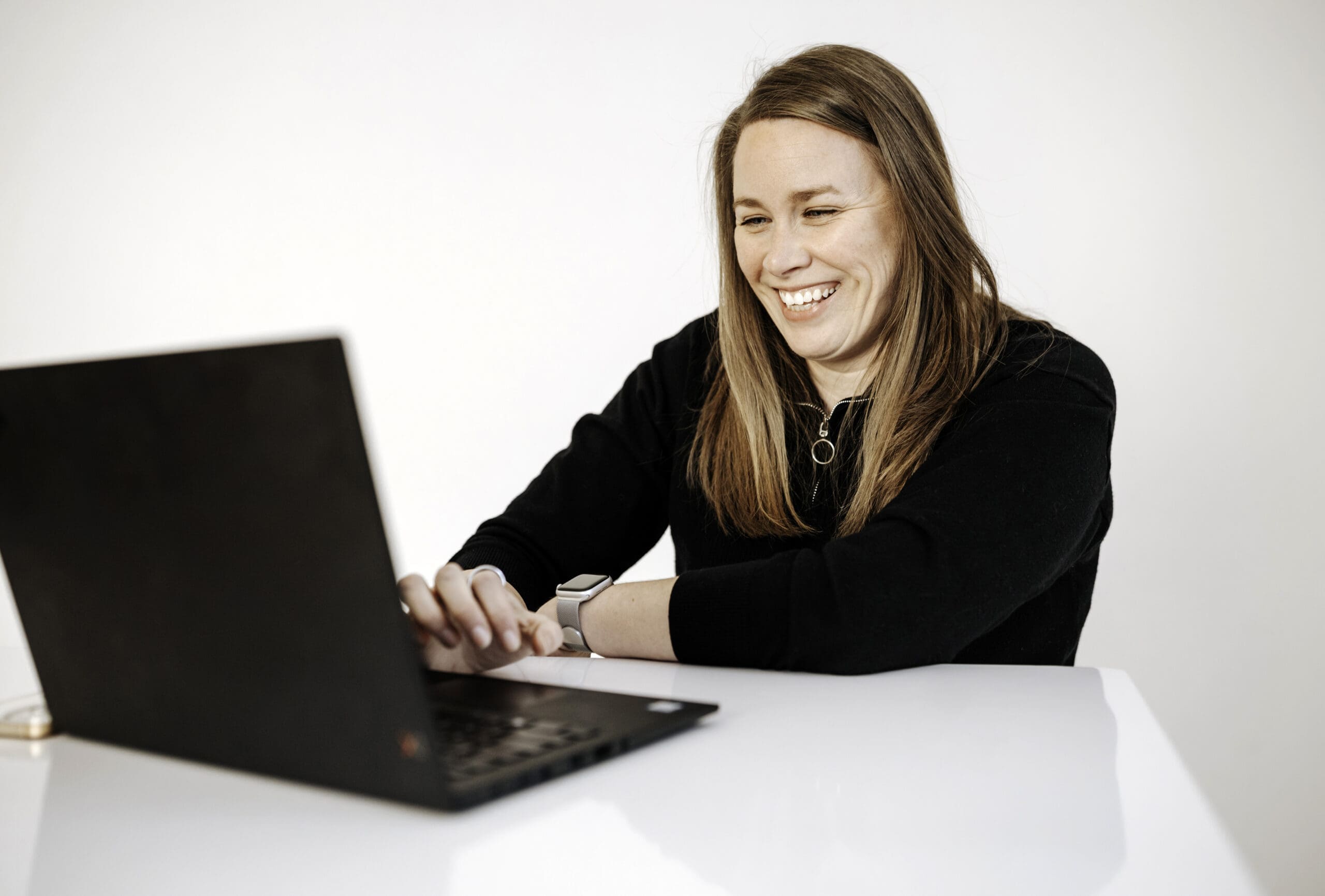
Instead of traveling to the therapist, the therapist can meet the patient virtually.
That can make it easier to:
- Attend appointments consistently
- Fit therapy around work and school
- Involve caregivers
- Reduce transportation barriers
- Continue services during bad weather
- Practice strategies in the home environment
- Connect with specialized providers who may not be nearby
And Here’s the Cool Part: Sometimes Home Is the Best Therapy Setting
Imagine working on executive functioning.
Rather than talking about someone’s organization system in an office, the therapist can help them look at the actual calendar, planner, homework system, or workspace they’re using.
Working on medication management?
The actual medication routine is right there.
Working on communication?
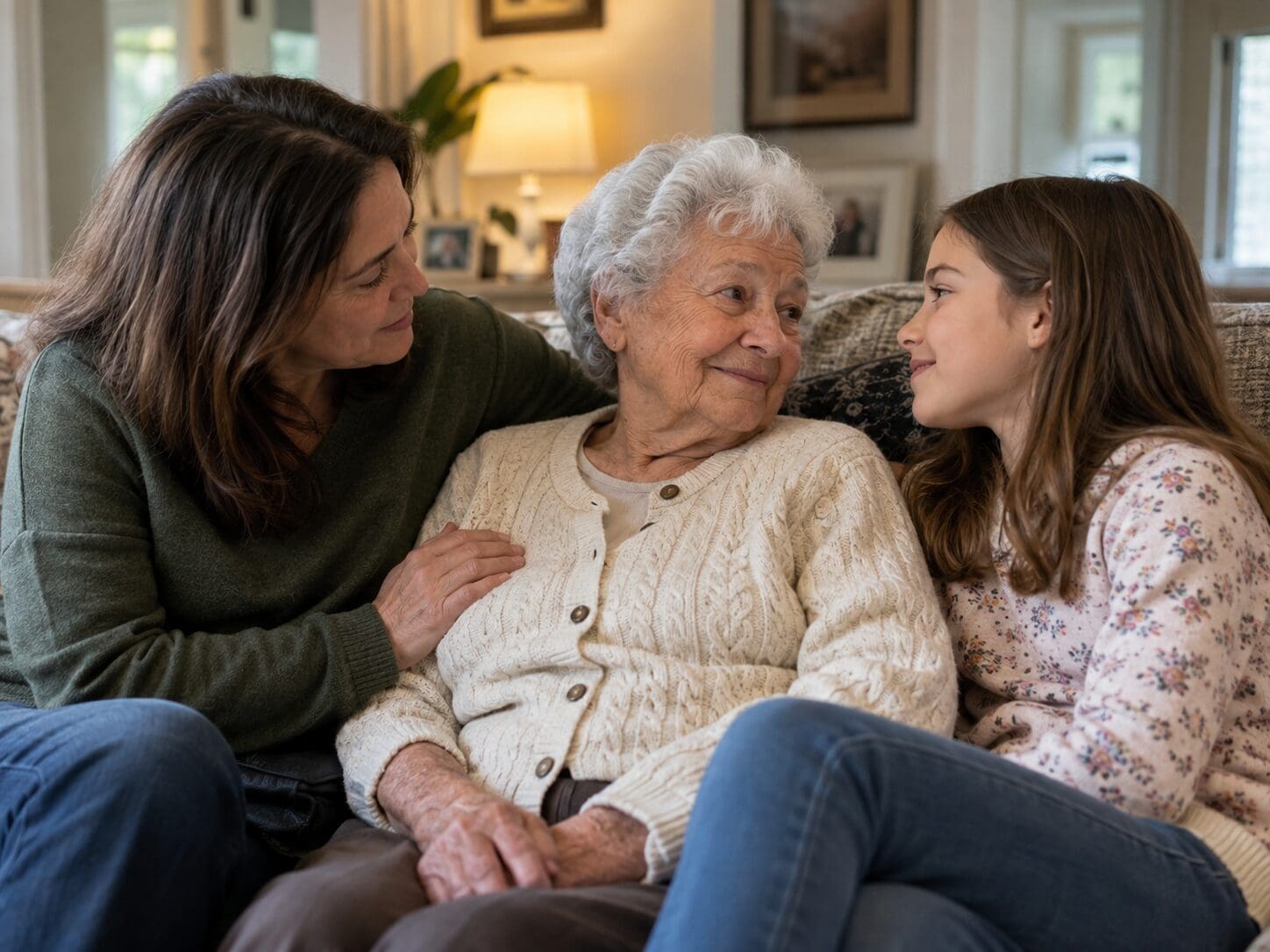
A caregiver can participate from the home.
Working on a child’s language skills?
Therapy can be incorporated into familiar toys, books, and routines.
Telehealth isn’t necessarily a “lesser” version of in-person therapy.
For some goals, the real-life environment can actually provide valuable context.
Telehealth Isn’t the Only Option at iRehab
We know every person and every goal is different.
That’s why iRehab offers flexible service options:
🏡 In-home therapy
🏢 Sterling Heights clinic
🌎 Community-based services
💻 Telehealth
The goal is to find the setting that makes the most sense for the individual.
Access Is About More Than Geography
Healthcare access can be affected by:
- Distance
- Transportation
- Work schedules
- Caregiver availability
- Weather
- Mobility
- Childcare
- Provider availability
Flexible service models can help reduce some of those barriers.
And for individuals living outside major metropolitan areas, telehealth can make specialized rehabilitation significantly more accessible.
You Shouldn’t Have to Choose Between Care and a 100-Mile Round Trip
At iRehab Services, we believe therapy should be accessible, functional, and individualized.
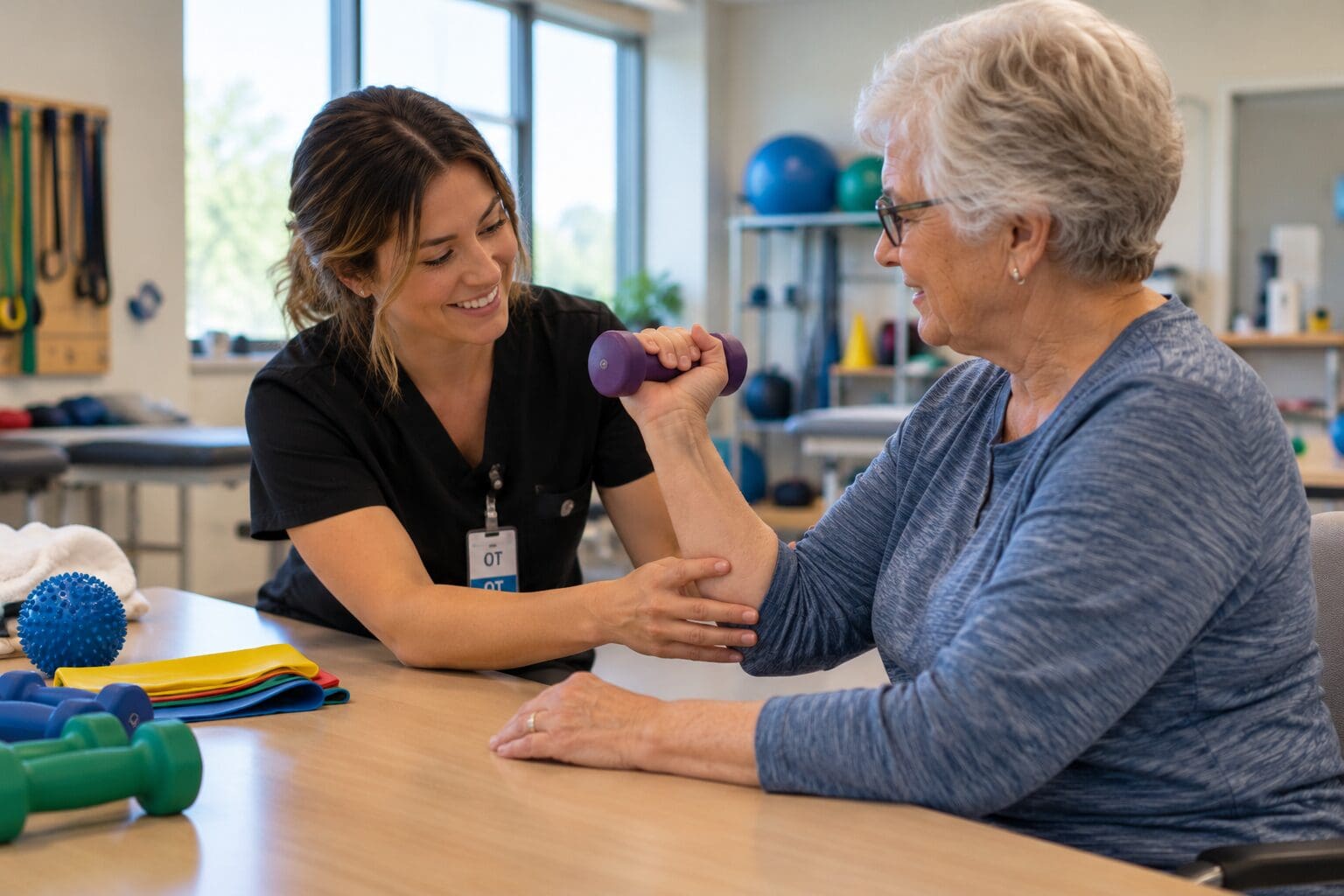
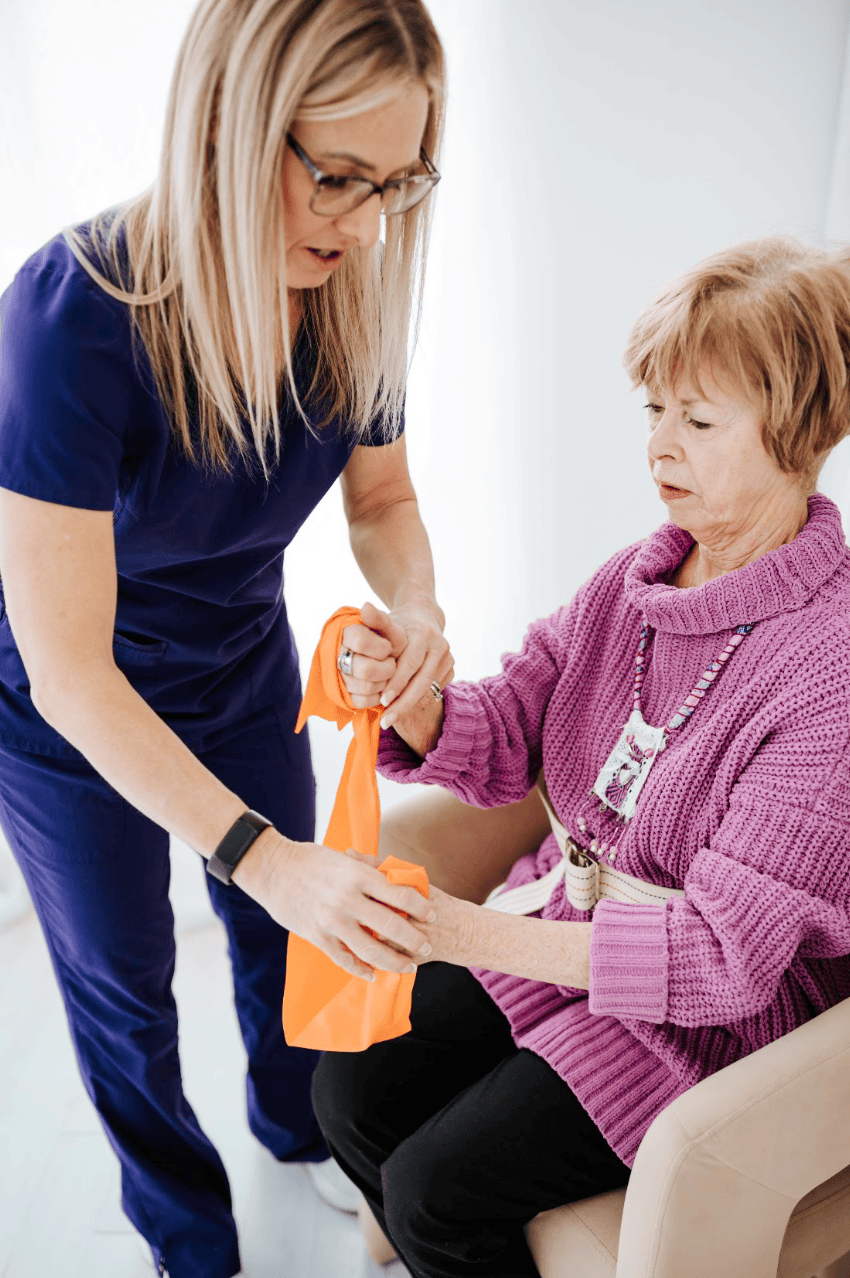
Our team provides speech-language pathology, occupational therapy, and social work services for children and adults.
And when telehealth is appropriate for the individual and their goals, we’re happy to bring therapy to them—wherever they are.
📞 248.252.6064
📧 marcia@irehabservices.com
Because where you live shouldn’t determine whether you can access the support you need.






leave a comment!
Comments