


What do you do every morning without really thinking about it?
Get dressed.
Brush your teeth.
Make coffee.
Pack a lunch.
Get the kids ready.
Answer emails.
Drive to work.
Cook dinner.
Take a shower.
Get ready for bed.
You probably don’t think of these things as “skills.”
But occupational therapists do.
And that’s exactly what makes occupational therapy so incredible.
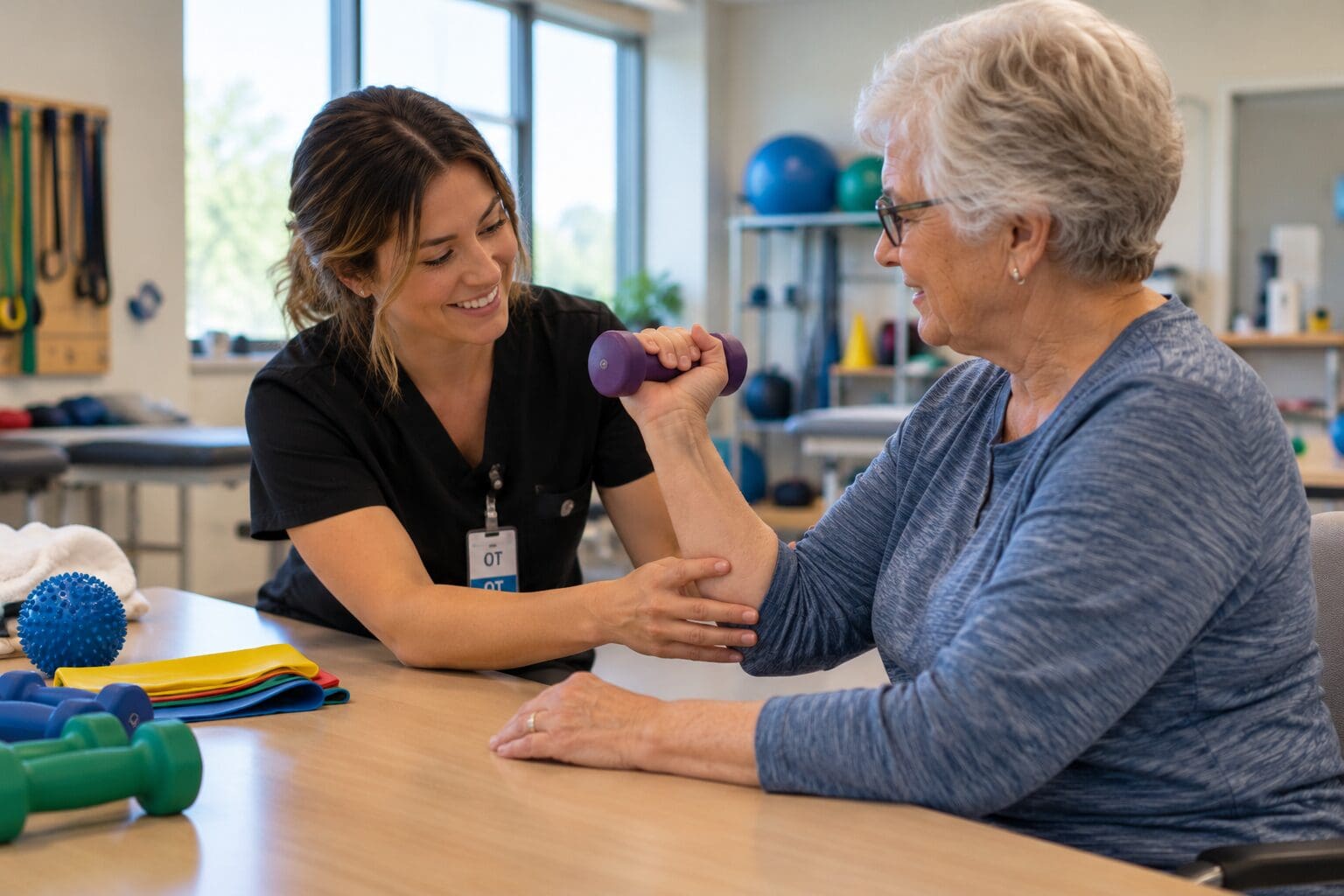
For World OT Day, we’re celebrating the OTs who help people do the things that make up real life—not just exercises in a therapy room.
🧩 What Does an OT Actually Do?
One of our favorite ways to explain occupational therapy is:
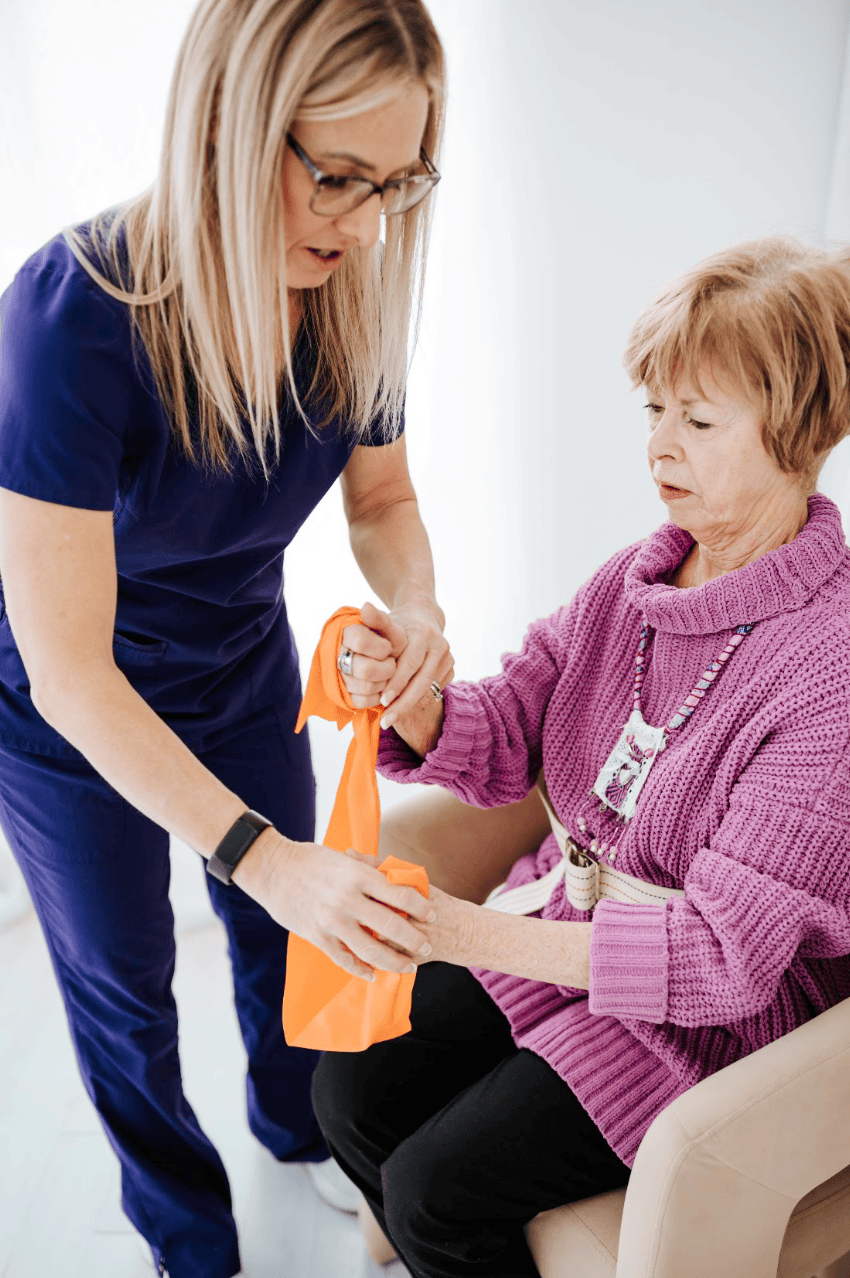
OT helps people do the things they need, want, and are expected to do every day.
“Occupation” doesn’t just mean having a job.
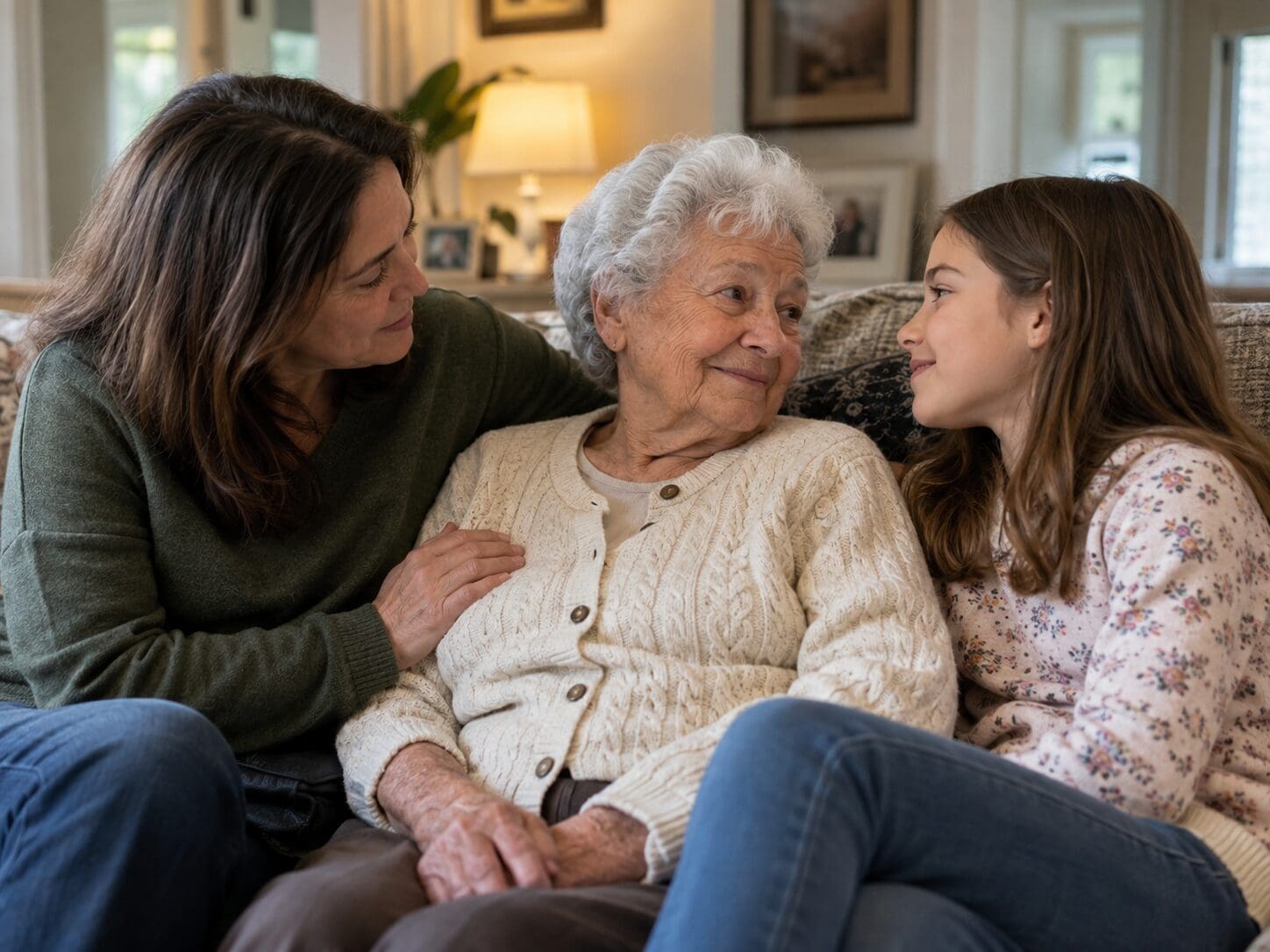
Your occupations might include being a parent, student, employee, caregiver, friend, athlete, cook, driver, grandparent, or simply being able to take care of yourself.
And sometimes, an injury, disability, illness, neurological condition, developmental difference, or life transition can make those things harder.
That’s where an OT comes in.
🏠 What If Therapy Happened Where Life Actually Happens?
At iRehab, our OTs have the flexibility to work with clients in their homes, in the community, in our Sterling Heights clinic, or through telehealth.
And there’s a reason that’s important.
Imagine an OT working with someone who is struggling to safely prepare meals.
Instead of only practicing a simulated activity, therapy can focus on the actual kitchen.
Where are things stored?
Can the person safely reach them?
Is the counter height appropriate?
Can they remember all of the steps?
Are there distractions?
Could the environment be modified?
What strategies would actually make this easier?
That’s functional therapy.
🧠 OT Is About the Whole Person
Our OTs work on much more than strength and fine motor skills.
Depending on someone’s needs, occupational therapy may address:
- Activities of daily living
- Instrumental activities of daily living
- Fine motor coordination
- Visual-motor skills
- Cognitive functioning
- Memory
- Attention
- Executive functioning
- Sensory processing
- Home safety
- Community safety
- Return to work
- Energy conservation
- Adaptive strategies
- Environmental modifications
- Independence
And the most important question isn’t always:
“Can you do it?”
Sometimes it’s:
“Can you do it safely, efficiently, and in a way that works for your life?”
🧒 OT for Kids Looks Different Than OT for Adults
For children, occupational therapy might involve helping them participate more successfully in the activities of childhood.
That could mean:
🎨 Developing fine motor skills for coloring and crafts
✏️ Supporting handwriting
👕 Learning dressing skills
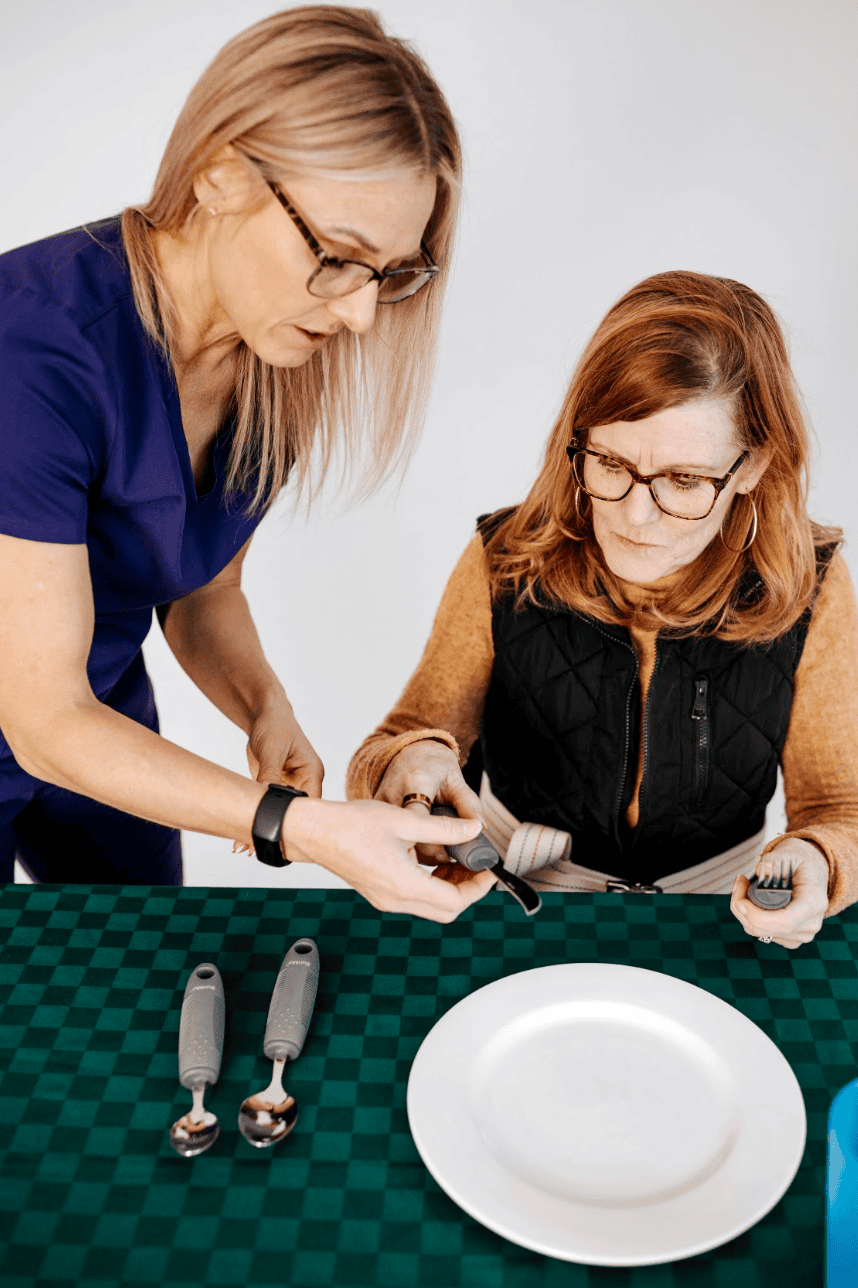
🍴 Developing independence with utensils
🎒 Managing school routines
🧸 Supporting sensory regulation
🏃 Improving coordination
For adults, OT may focus on returning to independence after an injury or illness, managing cognitive changes, adapting to a new diagnosis, or getting back to work and community activities.
💡 Sometimes the Best Strategy Is Changing the Environment
Here’s one of the things we love most about OT:
The person isn’t always the problem.
Sometimes the environment needs to change.
Maybe the medication system is too complicated.
Maybe the kitchen is difficult to navigate.
Maybe a workspace isn’t ergonomically appropriate.
Maybe a child is overwhelmed by sensory demands.
Maybe someone has the physical ability to complete a task but needs a different way to organize it.
An OT looks at the interaction between the person, the activity, and the environment.
And sometimes a small change can make a huge difference.
❤️ Celebrating Our Amazing iRehab OTs
We’re incredibly proud of our occupational therapists and the creativity, compassion, and clinical expertise they bring to every person they work with.
Our OTs don’t just ask:
“What skill are we working on today?”
They ask:
“Why does this skill matter to you?”
Because being able to button a shirt isn’t really about the button.
It’s about getting dressed independently.
Being able to remember a sequence isn’t just about memory.
It’s about being able to make breakfast.
Improving hand coordination isn’t just about squeezing a therapy tool.
It’s about being able to hold your grandchild, write a note, cook a meal, or return to work.
That’s the magic of occupational therapy.
It takes the skills we practice and connects them to the life people actually want to live.
✋ Happy World OT Day!
To our incredible OTs and to every occupational therapist helping someone regain independence, discover a new strategy, adapt to change, or accomplish something they once thought they couldn’t:
Thank you for helping people get back to life.
At iRehab Services, occupational therapy is available in-home, in our Sterling Heights clinic, in community settings, and through telehealth.
📞 248.252.6064
📧 marcia@irehabservices.com
Because sometimes the little things aren’t little at all.





leave a comment!
Comments